Reduced appetite is the point of GLP-1 medications like Mounjaro and Wegovy – but eating less doesn’t automatically mean eating well. For people taking weight-loss medications, thoughtfully changing your diet makes a real difference in how well treatment works.
Your body still needs adequate protein, vitamins and minerals regardless of how hungry you feel, and with smaller portions comes less room for dietary gaps to go unnoticed.
Diet on these medications isn’t just about weight loss. It affects how well you manage side effects, whether you lose fat or muscle mass, and how you feel throughout treatment. Having even a loose meal plan in mind helps make sure you’re consistently getting what your body needs.
GLP-1 medications work by mimicking a hormone your body naturally produces after eating. They slow gastric emptying – meaning food stays in your stomach longer – and reduce the hunger signals sent to your brain. The result is that you feel full sooner, stay fuller for longer, and think about food far less than you used to.
For some people, this is quite dramatic. Meals that used to feel normal become difficult to finish. Hunger cues that once structured the day largely disappear. Some people go hours without eating simply because they forgot, not because they made a conscious choice to fast.
Eating less food means you’re consuming fewer calories – but your body’s requirements for protein, vitamins and minerals don’t fall in line with your appetite. They stay roughly the same. Eating too little, or eating without much thought about what’s actually in it, means those needs quietly go unmet.
The calorie reduction is the goal – but the nutritional shortfall is the risk that comes with it.
When you lose weight through calorie restriction, your body doesn’t just burn fat – it breaks down muscle too. Protecting your muscle mass while losing weight is one of the most important things you can do to maintain your strength, energy levels and metabolism in the long run.
Eating enough protein is the main way to protect against this. While it’s best to get protein from whole foods where possible – as high-protein foods also contain other important nutrients and keep you feeling full for longer – the NHS recommends aiming for 60–80g a day while taking weight loss medication. That’s achievable, but it does require some thought, particularly on days when appetite is very low.
Some easy options that are gentle on a reduced appetite:
| Food | Portion Size | Protein Content |
| Eggs | 100g (2 eggs) | 12g |
| Greek Yoghurt (0% fat) | 150g (1 small pot) | 15g |
| Salmon | 130g (1 steak) | 35g |
| Cottage Cheese | 45g | 5g |
| Lentils | 80g | 13g |
| Shredded Chicken | 100g (1 small breast) | 30g |
If solid food feels unappealing, which is common in the early weeks or after a dose increase, a protein shake (25g of protein) can fill the gap without requiring much effort or appetite.

Nutrition tip: Eat the protein on your plate first. When portions are small and you fill up quickly, it’s easy to reach the end of a meal having eaten mostly carbohydrates. Prioritising protein from the start makes a real difference to hitting your daily target.
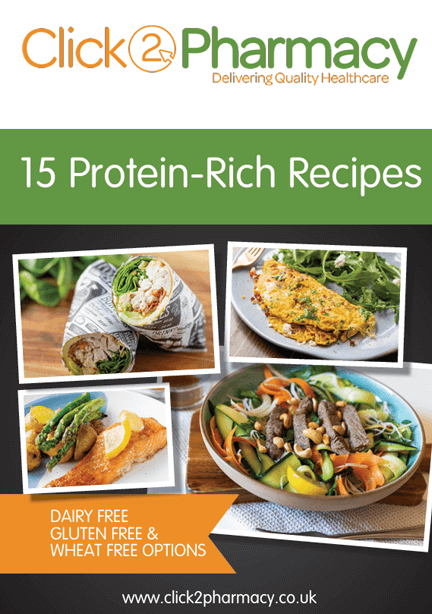
With a smaller appetite, the priority is nutrient-dense, easy-to-digest foods that are unlikely to trigger discomfort. Choosing the right foods can also help reduce side effects and make treatment easier to tolerate day to day.
Vegetables: Cooked vegetables are easier to digest than raw ones and far less likely to cause bloating. Roasted, steamed or blended into soups all work well. High fibre foods like raw broccoli, cabbage and cauliflower are healthy in the right context, but large portions can cause significant discomfort when gastric emptying is slowed – cook them first where possible.
Protein: Soft, moist proteins are the easiest to manage: salmon, eggs, cottage cheese, slow-cooked chicken and fish all sit well. Dry or dense proteins like steak or processed meat are harder for a sensitive stomach.
Carbohydrates: Wholegrains over refined carbs – brown rice, oats, wholegrain bread – provide fibre, give more sustained energy and help maintain blood sugar levels. This matters more when you’re eating less overall. Refined carbs and sugary foods cause faster blood sugar spikes and add calories with little nutritional value.
Nutrition tip: On low appetite days, soups and broths are easy to eat, can be made nutritionally dense, and count towards fluid intake too. A good homemade soup with pulses or soft chicken covers a lot of bases without requiring much appetite.
Curious what to eat while taking Mounjaro? Explore simple, balanced meal ideas to help support healthy, sustainable weight loss alongside your treatment.
On GLP-1 medications, certain foods can actively make treatment harder. It’s sensible to limit or avoid the following, particularly in the early stages of treatment.
Foods high in fat: Meals high in fat slow digestion at the best of times. Combined with a medication that’s already slowing gastric emptying, they’re a common cause of side effects like nausea, reflux and discomfort – particularly in the early weeks or after a dose increase. Fried food, fast food and heavy cream-based sauces are the main culprits.
Ultra-processed foods and sugary snacks: Calorie-dense with little nutritional value, which is a problem when total intake is already low. They also cause rapid blood sugar spikes, which can increase hunger and cravings shortly after eating – counterproductive when the goal is steady appetite control.
Large portions of raw, fibrous vegetables: Raw broccoli, cauliflower and cabbage are healthy in normal circumstances, but in large amounts they can cause significant bloating and wind when digestion is slowed. Cooking them first makes a big difference.
Fizzy drinks and carbonated beverages: Carbonation increases bloating and can cause real discomfort when the stomach is already emptying slowly. This includes sparkling water – still fluids are much better tolerated.
Alcohol: Some people on GLP-1 medications notice they feel the effects of alcohol more quickly than before, likely due to slower gastric emptying. Alcohol is also high in calories, low in nutritional value, and can lower inhibitions around food choices. The NHS advises keeping intake to under 14 units a week – but many people find they want to drink far less anyway once on these medications.
Discover the surprising link between weight loss jabs and reduced alcohol cravings. Explore what the science says and whether these treatments could offer more than just metabolic benefits.
Reduced appetite doesn’t just affect food and drinks – it affects fluid intake too. When you’re not thinking about eating, you’re often not thinking about drinking either, and dehydration is a surprisingly common issue for people taking GLP-1 medications. It can also contribute to constipation, which some people experience, particularly in the early weeks.
The NHS recommends at least 2 litres of fluid a day. Water is the obvious choice, but tea, coffee and herbal teas all count. If plain water feels unappealing, adding sliced fruit, cucumber or mint can help.
A few things worth avoiding:
Nutrition tip: If you struggle to remember to drink, keeping a bottle of water visible throughout the day is a simple but effective nudge. Some people find that sipping small amounts regularly works better than drinking a full glass at once, particularly if the stomach feels sensitive.
Even with a balanced diet and healthy eating habits, eating significantly less means you may not be getting all the important nutrients you need from food alone.
The NHS recommends taking an A-to-Z multivitamin and mineral supplement daily while on weight loss medications. This covers most of the common gaps, but there are a few worth knowing about specifically:
Before adding anything new, it’s worth speaking to a pharmacist or GP. Some supplements interact with medications, and more isn’t always better.
The effects of poor nutrition during weight loss don’t always show up immediately, and because appetite is suppressed, it’s easy not to notice that something is off until it’s been going on for a while.
Some signs that your diet may need attention:
These symptoms don’t automatically mean something is seriously wrong, but they are worth taking seriously. If you’re experiencing any of them, it’s a good idea to review what you’ve been eating over the past week or two before putting it down to the medication.
If symptoms persist, speak to your prescriber or a dietitian. To lose weight safely and keep it off, diet and physical activity need to work together – and both can be adjusted with the right professional support. Weight loss medication is one part of the process, not the whole picture.
If you’re looking for support on your weight loss journey, Click2Pharmacy’s online weight loss clinic offers access to Mounjaro, Wegovy and Saxenda without the need for a GP appointment. These medications are clinically proven to help you lose weight when combined with appropriate lifestyle changes.
The process is straightforward: complete an online consultation, and a UK-registered prescriber will assess your suitability and recommend the most appropriate treatment. If approved, your medication is delivered discreetly to your door.