

A blocked nose makes even the simplest things feel like hard work: sleeping, eating, concentrating. Nasal congestion is one of the most common reasons people visit a pharmacy, and if you’re looking for how to clear a clogged nose, the right approach depends on what’s causing it. The good news is there’s plenty you can do to get relief quickly.
| Best For | Method | Works Within |
| General congestion, colds | Steam inhalation | 5-10 minutes |
| Dryness, mild congestion, kids | Saline nasal spray | 5-15 minutes |
| Acute blocked nose, short-term relief | Decongestant nasal spray | 5-10 minutes |
| Congestion with other cold symptoms | Decongestant tablets | 30-60 minutes |
| Nighttime breathing, snoring | Nasal strips | Immediate |
| Thinning mucus, supporting recovery | Staying hydrated | Gradual |
| Nighttime congestion | Elevating your head | Immediate |
| Allergy-related congestion | Antihistamines | 30-60 minutes |
Before reaching for a remedy, it helps to know what’s actually going on. A blocked nose can be caused by inflamed and swollen blood vessels inside the nasal passages. That swelling narrows the airway, which is what creates that stuffed-up feeling.
Common causes include:
Knowing the cause matters because it shapes which treatment will work best. A decongestant spray, for example, is great for a cold but won’t do much for allergy-driven congestion on its own.
For mild to moderate congestion, home remedies are a good starting point and can be used alongside medication if needed.
Breathing in warm, moist air helps to soothe irritated nasal passages and loosen mucus. Fill a bowl with hot (not boiling) water, lean over it with a towel over your head, and breathe slowly through your nose for 5 to 10 minutes. Adding a few drops of Olbas Oil may help further.
A hot shower works on the same principle and is a good option if you find bowl inhalation uncomfortable.
Not suitable for young children. Hot water and steam carry a real risk of scalding. For babies and toddlers, a warm (not hot) bath can provide similar benefits more safely.
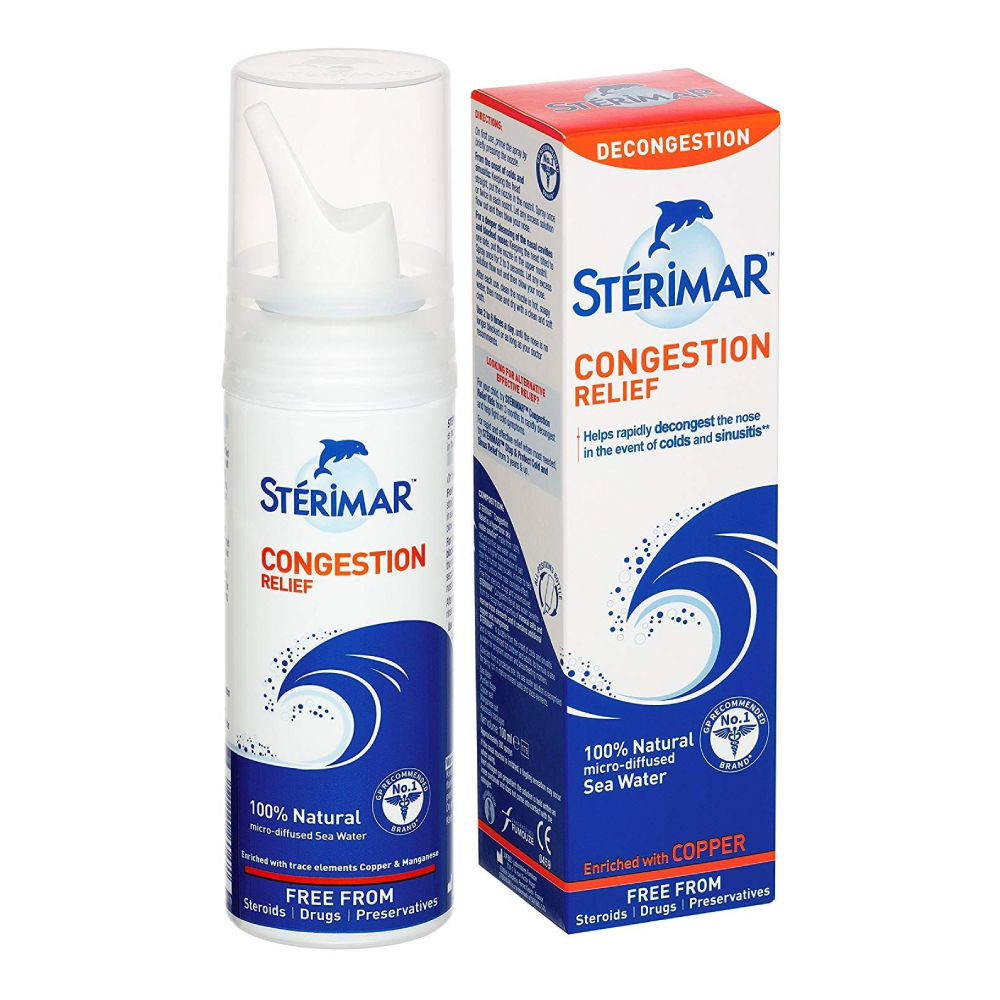
Saline sprays like Neilmed NasaMist or Sterimar Breathe Easy flush out irritants and thin mucus, making them a good first-line option for mild congestion. They’re suitable for adults and children, and can be used as often as needed without any risk of dependency.
Nasal rinse kits work similarly but deliver a larger volume of saline solution and can be more effective for sinusitis or allergy-related congestion. These are best for older children and adults.
Drinking plenty of water helps to thin mucus, making it easier for your body to clear. Warm drinks like herbal tea or hot water with honey and lemon are particularly soothing. Avoid drinking alcohol or having too much caffeine, as these can dehydrate you and make your symptoms worse.
Note: Honey shouldn’t be given to children under 12 months.
Lying flat allows mucus to pool in the nasal passages, which is why congestion often feels worse at night. Propping your head up with an extra pillow encourages drainage and can make a noticeable difference to how well you sleep. Suitable for older children and adults.
Note: Don’t use extra pillows for babies or toddlers due to the risk of suffocation. Instead, try placing books or blocks under the legs at the head of the bedframe to create a gentle tilt, keeping the mattress flat.
Dry air irritates the nasal lining and can make congestion worse. This is particularly noticeable in winter when central heating is running. A humidifier adds moisture back into the air, which helps keep nasal passages from drying out overnight.
When home remedies aren’t enough, there are several over-the-counter options available from your pharmacist that can provide faster, more targeted relief.
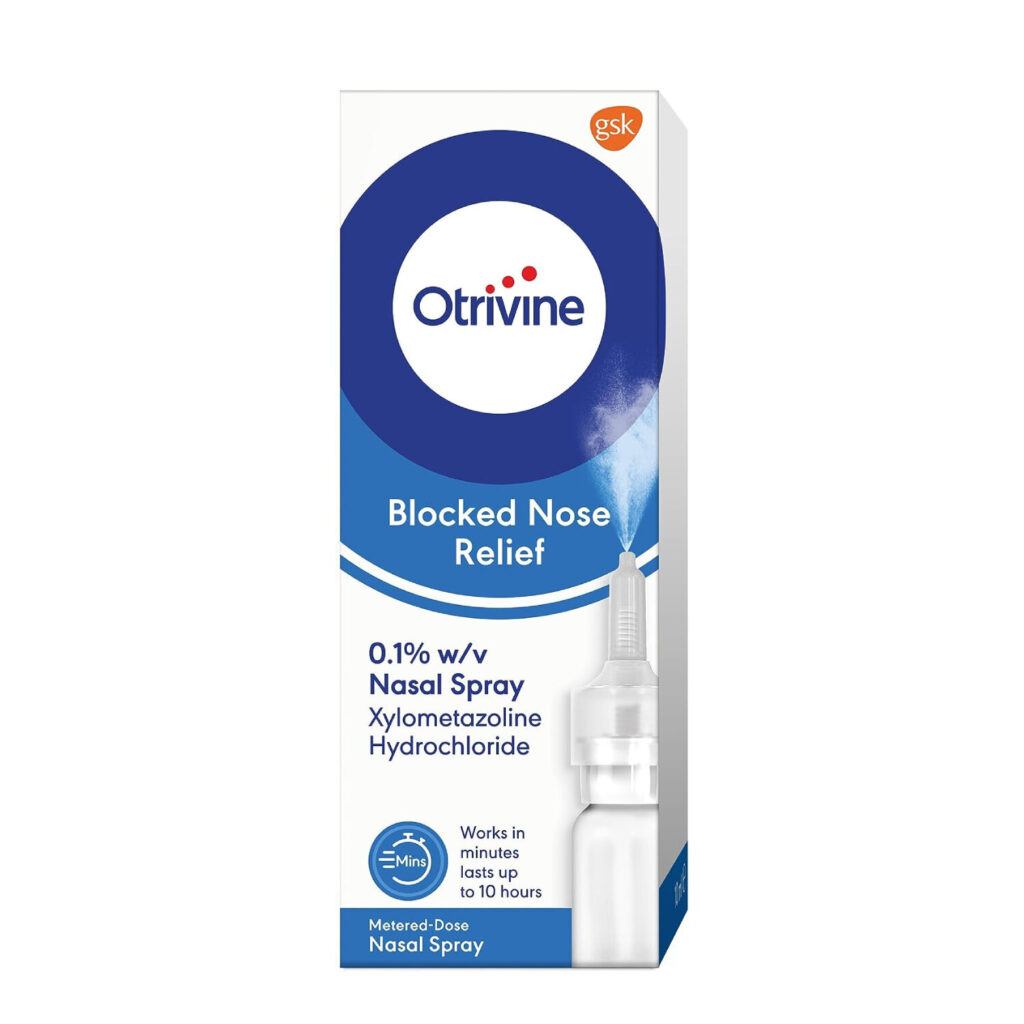
Decongestant sprays that contain xylometazoline like Otrivine, work by narrowing the blood vessels in the nasal passages, reducing swelling and opening the airway quickly. They usually start working within a few minutes and are one of the most effective short-term options for acute congestion.
They shouldn’t be used for more than 7 consecutive days, as prolonged use can cause rebound congestion (where the nose becomes more blocked when you stop using the spray). They’re not suitable for children under 6, and some formulations aren’t recommended during pregnancy – check with your pharmacist if you’re unsure.
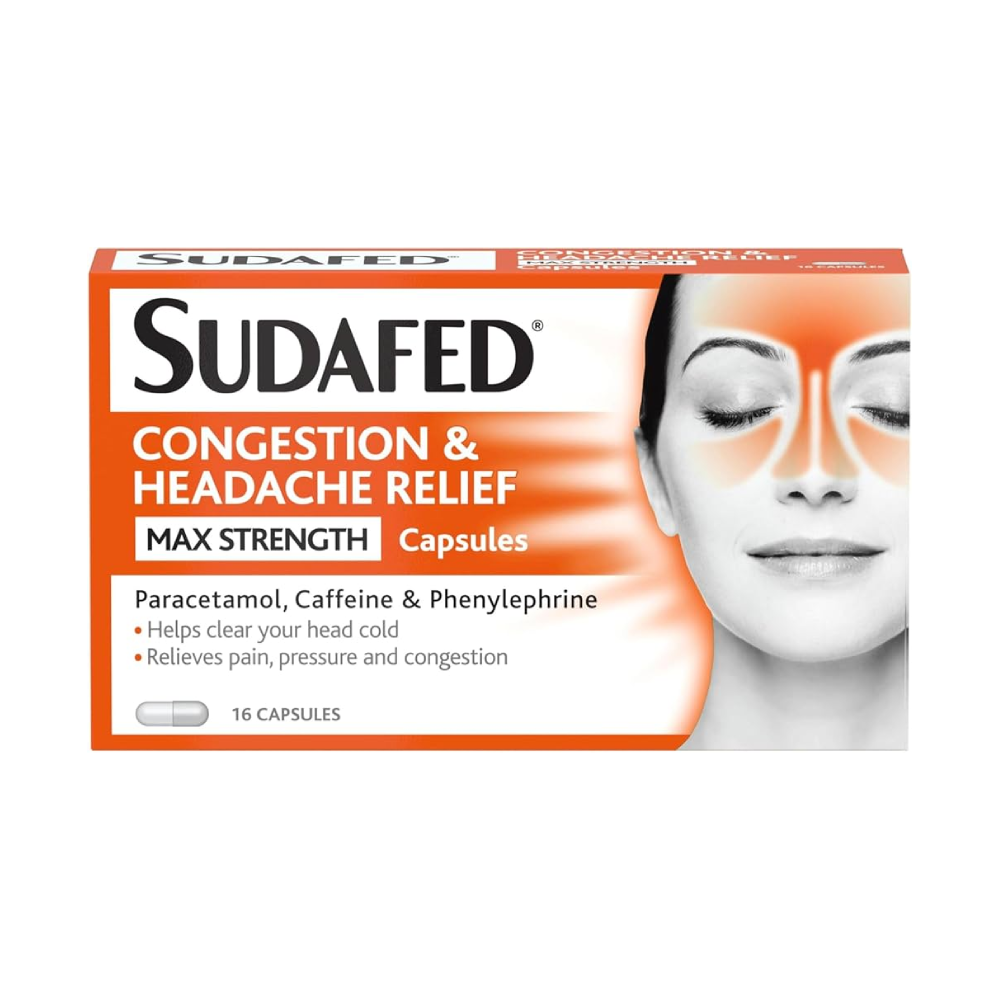
Oral decongestants containing pseudoephedrine or phenylephrine can help relieve nasal congestion. They take longer to work than nasal sprays, usually 30 to 60 minutes, but provide more generalised relief. Some like Care Decongestant tablets are available as a nasal decongestant, but others like Sudafed Headache Max Strength also contain pain relief.
They’re not suitable for people with high blood pressure, heart conditions, or an overactive thyroid, and aren’t recommended for young children. Always read the label or speak to your pharmacist before taking them.
If your congestion is allergy-driven, an antihistamine is often the better first choice. They work by blocking the histamine response that causes nasal swelling, sneezing and a runny nose. Non-drowsy options like Benadryl Allergy (containing cetirizine) or Clarityn (containing loratadine) are available over the counter and suitable for adults and children over 2 in appropriate doses.
A side effect of older antihistamines like Piriton (with chlorphenamine maleate) is drowsiness, so they aren’t ideal for use during the day.
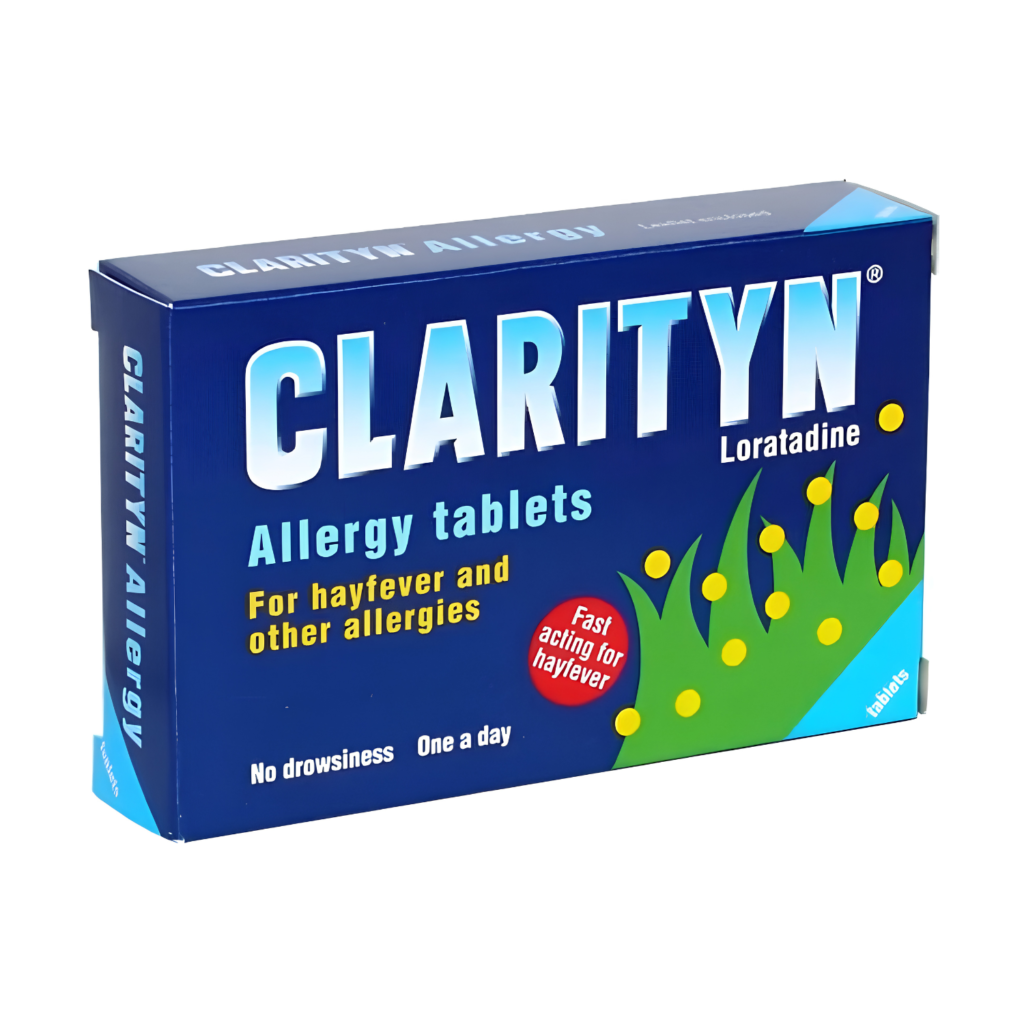
Clarityn Allergy can relieve allergic symptoms due to hayfever and other allergies such as house dust mite and pet allergies.
Out of stock
Most blocked noses clear up on their own within 7 to 10 days. But there are times when it’s worth getting professional advice rather than waiting it out.
Speak to a pharmacist or GP if:
If over-the-counter options aren’t giving you enough relief, our pharmacists can prescribe stronger treatments online without the need for a face-to-face appointment. These may include:
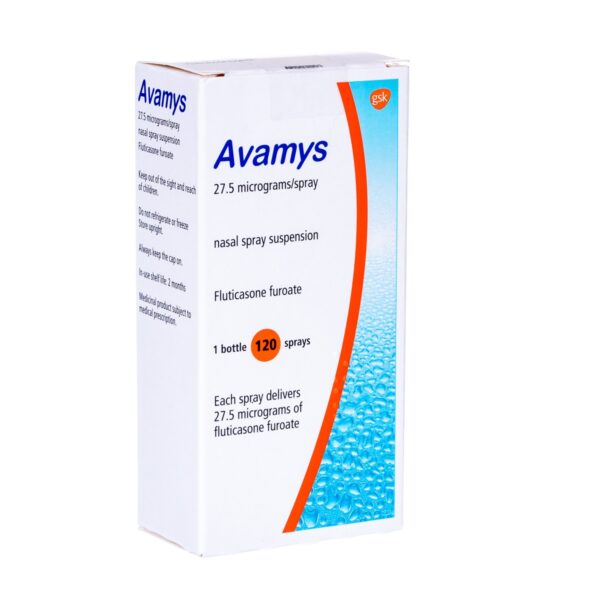
If your blocked nose is being driven by allergies or hay fever and over-the-counter treatments aren’t cutting it, our online nasal congestion clinic can help. Complete a short consultation and one of our UK-registered pharmacists will recommend the right treatment for you, whether that’s a prescription nasal spray, an antihistamine, or something suitable for your child.
No waiting rooms, no appointments. Just fast, discreet delivery to your door.
A stuffy nose at night is usually worse because lying flat means mucus can’t drain from your nose as easily, and blood vessels in your nose tend to dilate when you’re horizontal. Elevating your head, using a humidifier, and applying a nasal strip before bed can all help you breathe easier while you sleep.
To relieve sinus congestion and ease pressure in your sinuses, try steam inhalation, a warm compress applied to your nose and forehead, or a saline nasal wash. Staying well hydrated helps thin the mucus in your nasal passages so it can drain more easily. If congestion relief doesn’t come after a week or so, a steroid nasal spray prescribed by a pharmacist may help reduce the swelling inside your nose more effectively.
Blowing your nose helps, but doing it too forcefully can cause problems. Research has shown that aggressive nose blowing generates pressure that can push mucus up into your sinus cavities, which can worsen sinus pressure and prolong congestion. Blow gently, one nostril at a time, to help clear mucus without forcing it further into your nose and sinuses. A nasal wash can be a gentler alternative for shifting stubborn congestion.
Getting plenty of rest supports your immune system and gives your body the energy it needs to fight off whatever is causing your congestion. While rest alone won’t unblock your nose, combining it with nasal sprays or drops, hydration, and steam inhalation gives your nose and nasal passages the best chance to recover quickly.
Yes – when your nose is congested, you’re more likely to breathe through your mouth, which can dry out and irritate your throat. Mucus can also drain down the back of your throat, a process called post-nasal drip, which causes a sore throat and tickling sensation. Keeping your nose and nasal passages clear with a saline wash or decongestant can help reduce this.