
What is an anal fissure?
An anal fissure is a small tear in the skin that lines the anal canal. They’re a common condition and can affect anyone, though they’re most often seen in young adults and middle-aged people.
Fissures usually cause a sharp, stinging pain during and after a bowel movement, along with a small amount of bright red blood on the stool or on toilet paper. While most fissures heal on their own within a few weeks, some become chronic and need medical treatment to recover fully.
What causes anal fissures?
Anal fissures develop when the delicate lining of the anus is stretched or damaged, most commonly during a bowel movement. Anything that puts extra strain on this area can lead to a tear.
Common causes and risk factors include:
- Passing large, hard stools due to constipation
- Prolonged diarrhoea
- Straining during bowel movements
- Childbirth
- Inflammatory bowel disease such as Crohn’s disease or ulcerative colitis
- Reduced blood flow to the anal area, which is more common as you get older
- Anal intercourse
- Tight anal sphincter muscles or muscle spasm, which increases tension in the area
In some cases, no clear cause is identified. Ongoing issues with bowel habits or underlying digestive conditions can make fissures more likely to return.
Symptoms of Anal Fissures
The symptoms of an anal fissure are usually easy to spot and can include:
- Sharp, burning or stinging anal pain during bowel movements
- Pain that continues for minutes or hours after passing a stool
- Bright red blood on the toilet paper or on the surface of the stool
- Itching or irritation around the anus
- A visible small cut or crack in the skin around the anus
- A small skin tag near the fissure in longer-lasting cases
If your symptoms don’t improve within a couple of weeks or if you notice heavy bleeding, dark blood or changes in your bowel habits, you should speak to your GP to rule out other conditions.
Treatment for Anal Fissures
Management of anal fissures usually involves a combination of self-care and medication. The aim is to soften stools so bowel movements are less painful, ease the discomfort around the fissure and give the tear a chance to heal.
Self-Care Measures
Simple changes at home can make a real difference, especially for short-term fissures. You can:
- Eat a high-fibre diet with plenty of fruit, vegetables and wholegrains
- Drink more water to keep stools soft
- Avoid straining or sitting on the toilet for long periods
- Sit in a warm water bath (also known as a sitz bath) for 10 to 15 minutes a few times a day to relax the muscles and ease pain
- Keep the area clean and dry, patting gently rather than rubbing
Laxatives and Stool Softeners
Hard stools and straining are one of the main reasons fissures develop in the first place, and they’re often what stops an existing fissure from healing. A short course of a laxative or stool softener can make bowel movements much easier while the tear repairs.
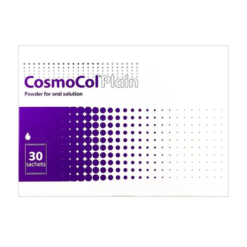
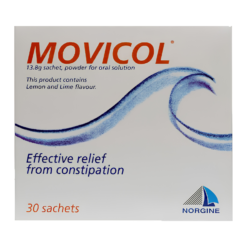
- Stool Softener Sachets: Cosmocol and Movicol sachets both contain macrogol, which draws water into the bowel to soften stools and make them easier to pass. They’re gentle enough for regular use and often a good first choice when constipation contributes to a fissure.
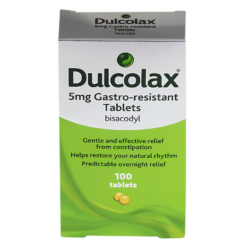
- Dulcolax Tablets: Contain bisacodyl, a stimulant laxative that encourages the bowel to move. Useful for occasional constipation when a softer stool alone isn’t enough.
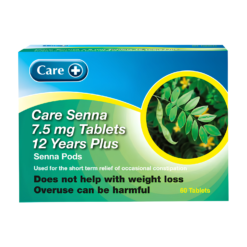
- Senna Tablets: A plant-based stimulant laxative that works overnight to relieve occasional constipation.
Soothing Topical Ointments
Topical ointments can ease the pain, itching and irritation around a fissure, particularly during and after bowel movements. Many products designed for haemorrhoids are also used to soothe fissure symptoms because they target the same discomfort in the same area.
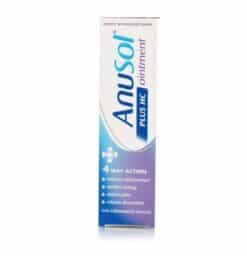
- Anusol Plus HC: Available as an ointment or suppositories, this treatment contains hydrocortisone to reduce inflammation and pramoxine, a local anaesthetic to numb the area. It’s a short-term option for more troublesome symptoms.
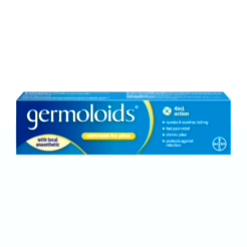
- Germoloids Ointment: Contains lidocaine hydrochloride to numb the area and zinc oxide to help protect the skin, providing quick relief from pain and itching.
Pain Relief
Over-the-counter pain relief such as paracetamol can help manage pain and discomfort. Warm baths and applying a soothing ointment shortly before a bowel movement can also make things more manageable while the fissure heals.
When to Seek Further Help
If your fissure hasn’t healed after 6 to 8 weeks of self-care and treatment, or if it keeps coming back, you should speak to your GP. Chronic fissures sometimes need prescription treatments like glyceryl trinitrate (GTN) ointment, botulinum toxin (Botox) injections to relax the sphincter, or a minor surgical procedure called a lateral internal sphincterotomy.