Variety of delivery options including next day & free delivery.
Pharmacy, clinic and prescribers based in Greater Manchester.
Start your treatment with a quick and free online consultation.
Variety of delivery options including next day & free delivery.
Pharmacy, clinic and prescribers based in Greater Manchester.
Start your treatment with a quick and free online consultation.
Fill in a quick online consultation for our licensed pharmacists to review.
Our pharmacists will review your treatment to ensure it’s suitable.
Your treatment will be delivered to your door quickly & discreetly.
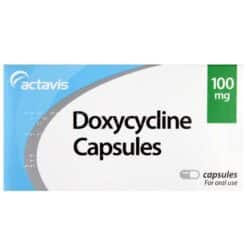
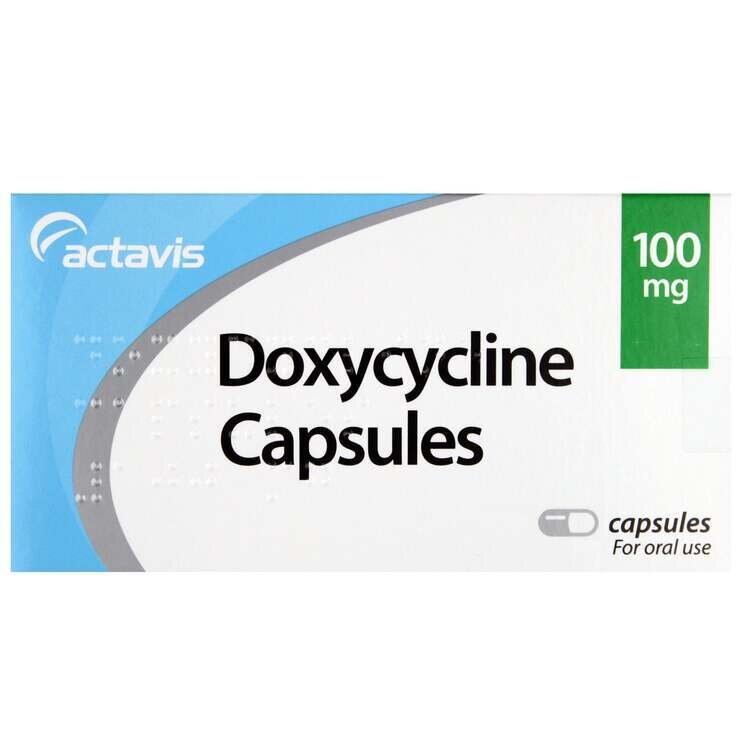
| Medication Name | Doxycycline 100mg Capsules |
| Medication Form | Hard capsules |
| Used for | Bacterial sinus infections (sinusitis) |
| Who can use | Adults and adolescents aged 12 years and over |
| Active Ingredient(s) | Doxycycline (as doxycycline hyclate) 100mg |
| Usual Dose | 200mg (2 capsules) on day 1, then 100mg (1 capsule) once daily for the rest of your prescribed course |
| Common Side Effects | Nausea, vomiting, sensitivity to sunlight |
| Prescription Required | Yes |
| Patient Information Leaflet | Doxycycline Patient Information Leaflet |
Doxycycline is an antibiotic from the tetracycline group of medicines. It treats bacterial sinus infections by stopping the bacteria responsible from producing the proteins they need to grow and multiply. Without these proteins, the bacteria die off, and your immune system can clear the infection.
Sinusitis is inflammation of the sinuses, the air-filled spaces behind your forehead, cheeks and nose. Most cases are caused by viruses and clear up on their own within 2 to 3 weeks. When a bacterial infection takes hold or symptoms last longer, an antibiotic like doxycycline can help clear the infection, reduce inflammation in the sinuses and ease symptoms such as facial pressure, blocked nose, thick discharge and headache.
Doxycycline doesn’t work on viral infections, so it isn’t suitable for sinusitis caused by a cold or flu virus.
Doxycycline 100mg capsules are used to treat acute sinusitis caused by bacteria in adults and adolescents aged 12 and over. Your prescriber may recommend it if your sinus infection is likely caused by bacteria, which is suggested by:
If symptoms are mild or have only just started, antibiotics usually aren’t needed. Self-care measures like steam inhalation, saline nasal sprays and over-the-counter painkillers may be enough to ease symptoms while the infection clears.
Doxycycline treats a wide range of bacterial infections beyond sinusitis. We also stock it for:
Dosing and treatment length differ for each condition, so always follow the specific instructions you’ve been given.
Doxycycline is suitable for most adults and adolescents aged 12 and over who have a bacterial sinus infection. It’s often prescribed to people with an allergy to penicillin or who can’t tolerate amoxicillin, which is usually the first-choice antibiotic for sinusitis.
However, doxycycline isn’t suitable for everyone. You shouldn’t take doxycycline if you:
Speak to your doctor or pharmacist before taking doxycycline if you:
A course of doxycycline for a bacterial sinus infection typically lasts five to seven days. The usual dose is 200mg (2 capsules) on the first day, then 100mg (1 capsule) once daily for the rest of your prescribed course. Always follow the dosage your prescriber has given you.
You can take doxycycline with or without food. If it upsets your stomach, taking it with food or milk may help.
Complete the full course even if you start to feel better before you finish. Stopping early can mean the infection isn’t fully cleared and may come back.
Avoid taking antacids containing calcium, aluminium or magnesium, iron supplements, zinc or bismuth at the same time as doxycycline, as these can stop the antibiotic working properly. Leave at least 2 hours between these products and your doxycycline capsule.
Alcohol can reduce the effectiveness of doxycycline, so it’s best avoided during treatment.
Doxycycline is generally well tolerated, but, like all medicines, it can cause side effects, though not everyone experiences them. Most are mild and often settle as your body gets used to the medicine.
These may affect up to 1 in 10 people:
These may affect up to 1 in 100 people:
These may affect up to 1 in 1,000 people:
Stop taking doxycycline and see a doctor or go to A&E straight away if you experience:
Doxycycline can also make your skin more sensitive to sunlight. Stop taking it and tell your doctor if you develop a rash, itching, redness or severe sunburn after sun exposure.
If you notice any side effects, talk to your doctor or pharmacist. You can also report side effects directly via the Yellow Card Scheme.
GOOD
Doxycycline provides fast relief for bacterial sinusitis by targeting the bacteria causing the infection. Most people who are prescribed doxycycline begin to feel better within three to five days of starting treatment. The antibiotic begins working as soon as you take your first dose, but it takes time to bring the bacterial infection under control and for symptoms to settle.
If your symptoms haven’t improved at all after 3 days, or if they’re getting worse, contact your doctor. Complete the full course even once you start feeling better, as stopping early can let the infection come back.
It’s best to avoid alcohol while taking doxycycline. Alcohol can reduce how well the medicine works, which may make it less effective at clearing the infection.
Amoxicillin is commonly prescribed for bacterial sinusitis, but doxycycline is also an alternative when:
Doxycycline targets a broad range of bacteria, which makes it a useful alternative when amoxicillin isn’t suitable. Your prescriber will decide which antibiotic is right for you based on your medical history and symptoms.
If you forget to take a capsule, take it as soon as you remember. Then take your next dose at the usual time.
Don’t take a double dose to make up for a missed one.
You can buy doxycycline for a sinus infection online from Click2Pharmacy after completing a free online consultation. One of our licensed pharmacists will review your consultation to make sure doxycycline is suitable for you. Once approved, your prescription will be issued and your medicine delivered quickly and discreetly to your door.
Page content authored by Amjad Khan, last reviewed by Mr Muhammad on 10th September 2026.