
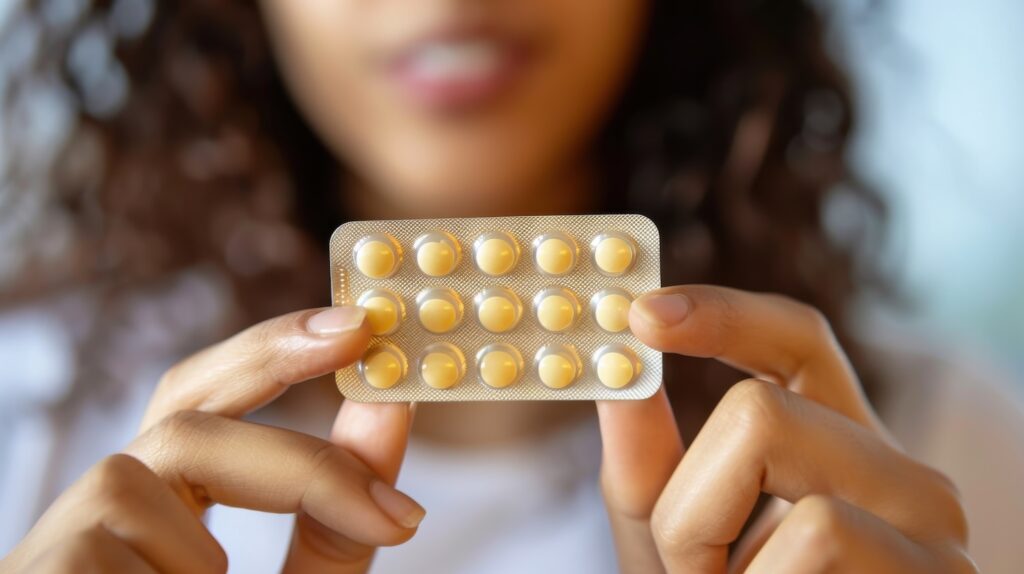
Hot flushes that come out of nowhere. Broken sleep night after night. Mood changes that don’t feel like you. For many women, menopause symptoms can start to affect everyday life in ways that are hard to ignore.
That’s why more people are asking what the benefits of HRT are and whether it can help them feel like themselves again. In England alone, there were 14.7 million HRT prescriptions issued in 2024/25, with around 2.8 million patients using HRT, showing just how widely it’s now used. HRT for menopause is a common and trusted option for managing symptoms and improving quality of life.
When we use terms like ‘woman’ or ‘women’ in this guide, we’re referring to sex assigned at birth. We recognise that trans and non-binary people may also experience menopause and need support.
Menopause is when periods stop, and hormone levels fall more consistently. This is when symptoms often become more noticeable or disruptive. Hormone replacement therapy (HRT) refers to a range of treatments used to manage these symptoms.
As women approach menopause, their levels of oestrogen and progesterone begin to fall. HRT works by topping up these hormones.
Most treatments contain oestrogen, which is the main hormone linked to menopause symptoms. If you still have a womb, progesterone is usually added to protect its lining.
By bringing hormone levels back up, HRT helps reduce the impact of hormonal changes across your body.
Many women start to notice improvements within a few weeks, with full benefits developing over a few months.
HRT comes in several forms, so you can choose an option that fits your routine and preferences.
Common types include:
Patches or gels are often preferred as they deliver hormones through the skin, which gives you a steadier hormone level, and there is less risk of blood clots or stroke.
| Benefits of HRT | Risks of HRT |
| Relieves hot flushes and night sweats | Small increased risk of blood clots (depends on type) |
| Improves sleep quality | Breast tenderness or irregular bleeding |
| Supports mood and reduces anxiety | Slight increase in breast cancer risk with long-term use |
| Helps with vaginal dryness and discomfort | Side effects vary from person to person |
| Protects bone health |
The balance between the benefits and risks of hormone replacement therapy can vary depending on your age, overall health, and the type of HRT you use.
Perimenopause is the stage leading up to menopause, when hormone levels start to fluctuate rather than steadily decline. It can begin several years before menopause and, for many women, lasts around 4 to 8 years, although this can vary.
During this time, symptoms can feel unpredictable. You might experience irregular periods, mood swings, anxiety, poor sleep, and early hot flushes.
The benefits of HRT for perimenopause often come from helping to stabilise these fluctuating hormone levels. This can reduce mood swings, irritability, and anxiety, while also improving sleep and energy levels.
The benefits of HRT during menopause focus on relieving these symptoms and improving day-to-day comfort:
After menopause, hormone levels remain low, and symptoms can continue for many women. The benefits of HRT at this stage focus on ongoing symptom relief and maintaining comfort.
HRT can still help with hot flushes, night sweats, and sleep problems, even years after periods have stopped. It also supports vaginal and urinary health, helping reduce dryness, irritation, and discomfort.
Some women also notice improvements in skin and tissue health, as oestrogen helps to maintain hydration and elasticity. Overall, HRT can help you feel more comfortable and confident in daily life after menopause.
Beyond symptom relief, the benefits of HRT can extend to long-term health. These may include:
Like any treatment, HRT does come with some risks, but these vary depending on your age, health, and the type of HRT you use. For most women who start HRT around menopause, the risks are considered low.
Possible risks and side effects include:
It’s also worth noting that the type of HRT matters. For example, patches and gels are often preferred because they may carry a lower risk of blood clots than tablets.
Overall, the balance between benefits and risks is different for everyone. For many women, especially those under 60 or within 10 years of menopause, the benefits of HRT outweigh the risks.
Deciding to start HRT is a personal choice, and there isn’t a one-size-fits-all answer. The benefits and risks can vary depending on your age, symptoms, medical history, and the type of HRT you use. What works well for one person may not be the right fit for someone else.
That’s why it’s important to go through your options with a GP or pharmacist, who can help you choose a treatment based on your individual needs. In some cases, a nurse practitioner may also be involved in your care.
It can also take a bit of time to find the right option. Different types of HRT, like patches, gels, or tablets, can affect people in different ways. You may need to try one form and adjust the dose or switch to another before you find what works best for you.
At Click2Pharmacy, you can access menopause treatment through our online menopause and HRT clinic without the need for a face-to-face appointment. The process is designed to be straightforward while still ensuring your treatment is safe and suitable.
This approach makes it easier to access HRT at a time that suits you, with the reassurance that your treatment has been reviewed by a licensed UK pharmacy team.
Start your free consultation today.
Yes, HRT can be very effective for vaginal symptoms linked to menopause. Lower oestrogen levels can cause dryness, irritation, and discomfort, which may affect daily life and intimacy.
Different types of HRT, including vaginal oestrogen treatments, can help restore moisture and improve tissue health, reducing discomfort over time.
Progesterone is added to HRT if you still have a womb to protect the lining of the womb from the effects of oestrogen.
If you’ve had a hysterectomy, you may only need oestrogen-only HRT, which can slightly change the risk profile compared to combined HRT.
Some types of HRT, particularly combined HRT (oestrogen and progesterone), are linked to a small increase in the risk of breast cancer when used long term.
The level of risk depends on factors like how long HRT is used and your personal medical history. For many women, especially those who start treatment around menopause, the overall risk remains low.
HRT is often most effective when started during perimenopause and menopause, or within a few years of symptoms beginning.
Many women notice improvements within the first few months of starting HRT, although this can vary depending on the type of treatment and individual response.
HRT is often most effective when started during perimenopause and menopause, or within a few years of symptoms beginning.
Many women notice improvements within the first few months of starting HRT, although this can vary depending on the type of treatment and individual response.
The benefits of HRT after 60 can still include relief from menopausal symptoms like hot flushes, poor sleep, and vaginal dryness, especially if these are ongoing.
HRT may also help support bone health, reducing the risk of fractures, which becomes more important with age.
The overall benefits depend on when you start treatment and your individual health. For women who begin HRT later, the balance of benefits and risks needs to be assessed carefully.
The benefits of HRT after 65 are usually focused on maintaining comfort and quality of life, particularly if symptoms are still present.
Some women continue to benefit from improved vaginal health, sleep, and overall well-being. HRT may also help maintain bone strength.
At this stage, treatment is reviewed on an individual basis, as the risk of developing certain conditions can increase with age.
Many women start to notice improvements within the first few weeks of starting HRT.
For symptoms like hot flushes and sleep disruption, changes can begin within 4 to 6 weeks, while other benefits may take a few months to fully develop.
The exact timing varies depending on the type of HRT and how your body responds.
There isn’t a fixed time limit for how long you can take HRT. It depends on your symptoms, age, and overall health.
Some women take HRT for a few years to manage symptoms, while others continue for longer if the benefits outweigh the risks.
Regular reviews with your GP or pharmacist help make sure your treatment remains appropriate over time.
Yes, it is possible to start HRT later in life, including after the age of natural menopause.
However, starting HRT later may come with different risks compared to starting during perimenopause and menopause, particularly for conditions like heart disease.
The decision to start HRT later should be based on your individual health and symptoms, with guidance from a GP or pharmacist to help choose the safest and most suitable option.
There isn’t a strict time limit on how long you can take HRT. For many women, it depends on how long symptoms last and how well the treatment is working.
Some women use HRT for a few years to manage symptoms of menopause, while others continue longer if they still benefit from it. The key is having regular reviews with your GP or pharmacist to make sure it remains suitable.
As you get older, the balance between benefits and risks may change, so your treatment plan can be adjusted if needed. The aim is to use the lowest effective dose for as long as it helps you feel well.