
What is melasma?
Melasma is a common skin condition that causes brown or greyish patches to appear on the face, usually on the cheeks, forehead, upper lip, nose, and chin. It happens when the pigment-producing cells in your skin, known as melanocytes, produce too much melanin, leading to areas of darker skin.
The patches typically look symmetrical, appearing on both sides of the face in a similar pattern or shape. Facial melasma is the most common form of the condition, but it isn’t harmful or painful – although it can affect your confidence and be frustrating to manage.
It’s much more common in women than men, particularly during the reproductive years, and it can affect up to 50% of pregnant women, which is why it’s sometimes called the “mask of pregnancy” or chloasma.
What causes melasma?
Melasma is triggered by a combination of hormonal changes and sun exposure. The exact cause isn’t fully understood, but several factors are known to make it more likely:
- Hormonal changes during pregnancy, from the contraceptive pill, or from HRT
- Sun exposure, which stimulates melanocytes to produce more pigment
- Genetics, as melasma often runs in families
- Skin type, with people who have medium to darker skin tones more prone to it
- Certain medications, including some antibiotics and anti-seizure drugs
- Thyroid problems, which have been linked to some cases
- Stress, which can influence hormone levels
UV light is the biggest external trigger, which is why melasma can get worse in summer and fades slightly during winter. Recognising your personal melasma triggers is the first step in controlling flare-ups.
Who gets melasma?
Melasma is far more common in women than men, with around 90% of cases affecting women, most often between the ages of 20 and 40.
People with medium to darker skin tones (Fitzpatrick skin types III to V) are more likely to develop it, as their skin naturally produces more melanin. If you have a family history of melasma, are pregnant, or use of hormonal contraception or HRT, these can alll raise your risk further.
Symptoms of Melasma
Melasma lesions have a distinctive appearance that makes the condition easy to recognise. The main signs include:
- Flat brown, tan, or greyish-brown patches on the face
- Symmetrical patterns across the cheeks, forehead, bridge of the nose, upper lip, and chin
- Patches with irregular borders that blend into surrounding skin
- Darkening after sun exposure and slight fading during winter
- No itching, pain, or physical discomfort
Melasma can also appear on other sun-exposed areas like the neck and forearms, though this is less common. If you’re unsure whether your skin discolouration is melasma or another condition like post-inflammatory hyperpigmentation, our pharmacists can help identify it during your consultation.
Medical Treatment for Melasma
Melasma can be difficult to treat and often needs a combination of prescription treatment and daily sun protection to see real improvement. Topical therapies for melasma work by slowing melanin production and encouraging skin cell turnover, which helps to manage melasma over the long term. Our online clinic offers prescription-strength options as part of your treatment plan.
Hydroquinone Creams
Hydroquinone is one of the most well-known treatments for melasma and is a first-line treatment option for most people. It works by blocking the enzyme responsible for melanin production, gradually lightening dark patches over 8-12 weeks. Prescription creams like Pigmanorm combine hydroquinone with tretinoin and a mild corticosteroid for the best results.
Azelaic Acid
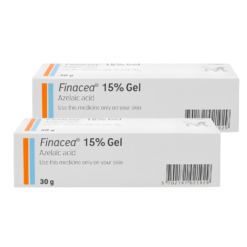
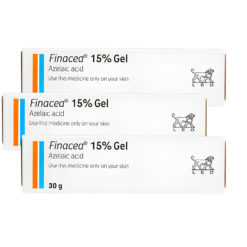
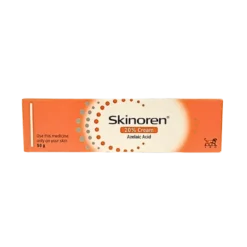
Azelaic acid, sold under brand names like Skinoren or Finacea, is a gentler alternative that’s suitable for use during pregnancy and breastfeeding. It targets overactive melanocytes without affecting normal skin cells, so it’s less likely to cause irritation. It usually takes several months to see full results but it can be used long-term without the risks associated with stronger lightening agents.
Tretinoin
Tretinoin is a prescription retinoid that speeds up skin cell turnover and helps shed pigmented cells more quickly. It’s often prescribed alongside hydroquinone for a combined effect. Tretinoin can cause dryness and sensitivity in the first few weeks so your GP or pharmacist will advise on how to introduce it gradually into your routine.
Sunscreen & Sun Protection
No melasma treatment will work well without daily SPF, which should be the most important part of your skin care routine when treating pigmentation. Broad-spectrum SPF 50 sunscreen is essential year-round, even on cloudy days, as UV and visible light can undo months of progress in a matter of weeks. Tinted mineral sunscreens containing iron oxides offer extra protection against the visible light that also triggers melasma.
Chemical Peels
Chemical peels use acids like glycolic, salicylic, or trichloroacetic acid to exfoliate the top layers of skin and encourage new, evenly pigmented cells to grow. Superficial peels are usually done in a series of sessions and work best for surface-level pigmentation. Peels should be carried out by a dermatologist or trained aesthetic practitioner.
Laser and Light Therapy
Laser treatments, including Q-switched and fractional lasers, target melanin in the skin to break down dark patches. Results can be fast, but melasma is prone to rebound after laser therapy, and the wrong settings can make pigmentation worse. Laser should only be carried out by an experienced clinician who specialises in treating melasma on your skin type.
Oral Tranexamic Acid
Tranexamic acid tablets, better known as a treatment for heavy periods, are sometimes prescribed off-label for refractory melasma that hasn’t responded to topical treatments. It’s thought to work by reducing the signalling between skin cells and melanocytes that drives excess pigment production. This treatment is usually managed by a dermatologist who can monitor for side effects.
Cysteamine Cream
Cysteamine is a newer topical treatment that’s shown promise for melasma, particularly for people who can’t tolerate hydroquinone or want a long-term maintenance option. It’s applied for a short period each day and washed off. Cysteamine, along with other alternative lightening ingredients like kojic acid, is available privately through some skin clinics.