


What is constipation?
Constipation is when you’re not passing stools as often as usual, or when they’re hard, dry and difficult to push out. Most people have a bowel movement somewhere between three times a day and three times a week, so there’s no single “normal”. It becomes a problem when bowel movements are infrequent, uncomfortable or leave you feeling like you haven’t fully emptied.
What are the causes of constipation?
Constipation often comes down to everyday habits rather than anything serious. Common triggers include not drinking enough fluid, a low-fibre diet, a lack of physical activity, ignoring the urge to go, and stress or a change in routine. Some medicines, such as certain painkillers, antidepressants, iron tablets and antacids, can also lead to constipation. Underlying conditions such as irritable bowel syndrome, an underactive thyroid or pregnancy can be behind it too.
Constipation Symptoms
You might be constipated if you notice:
- Difficulty or straining when passing stools
- Hard, dry or lumpy stools
- Fewer than three bowel movements a week
- Stomach ache, cramps or bloating
- Feeling sick or that your bowel hasn’t fully emptied
If constipation lasts a long time, it can lead to complications like haemorrhoids or faecal impaction, so it’s worth treating it early.
What can I do to relieve constipation?
Lifestyle Changes
For mild or occasional constipation, simple lifestyle changes are often enough. It helps to drink plenty of fluids, eat more fibre-rich foods such as wholegrains, fruit and vegetables, and move more to get your bowels back into a regular rhythm. Try not to ignore the urge to go, as holding on can make things worse.
Over-the-Counter Constipation Treatments
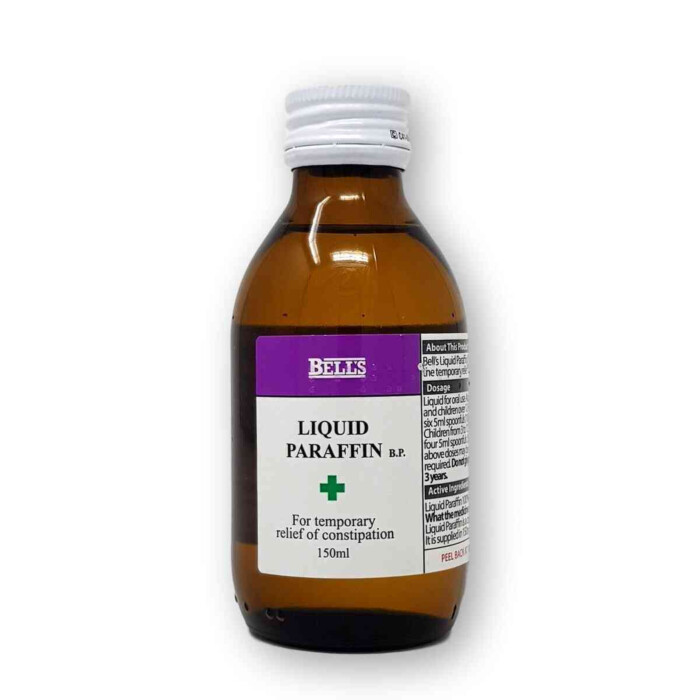
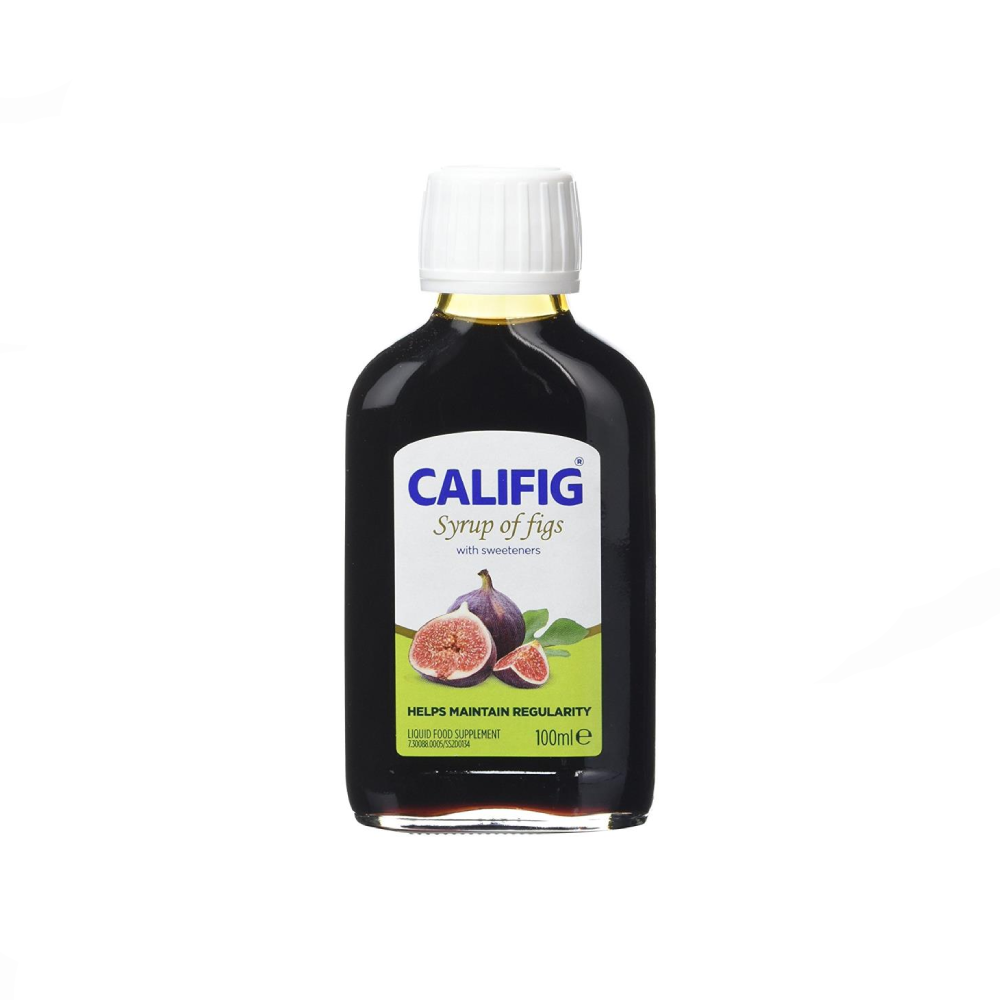
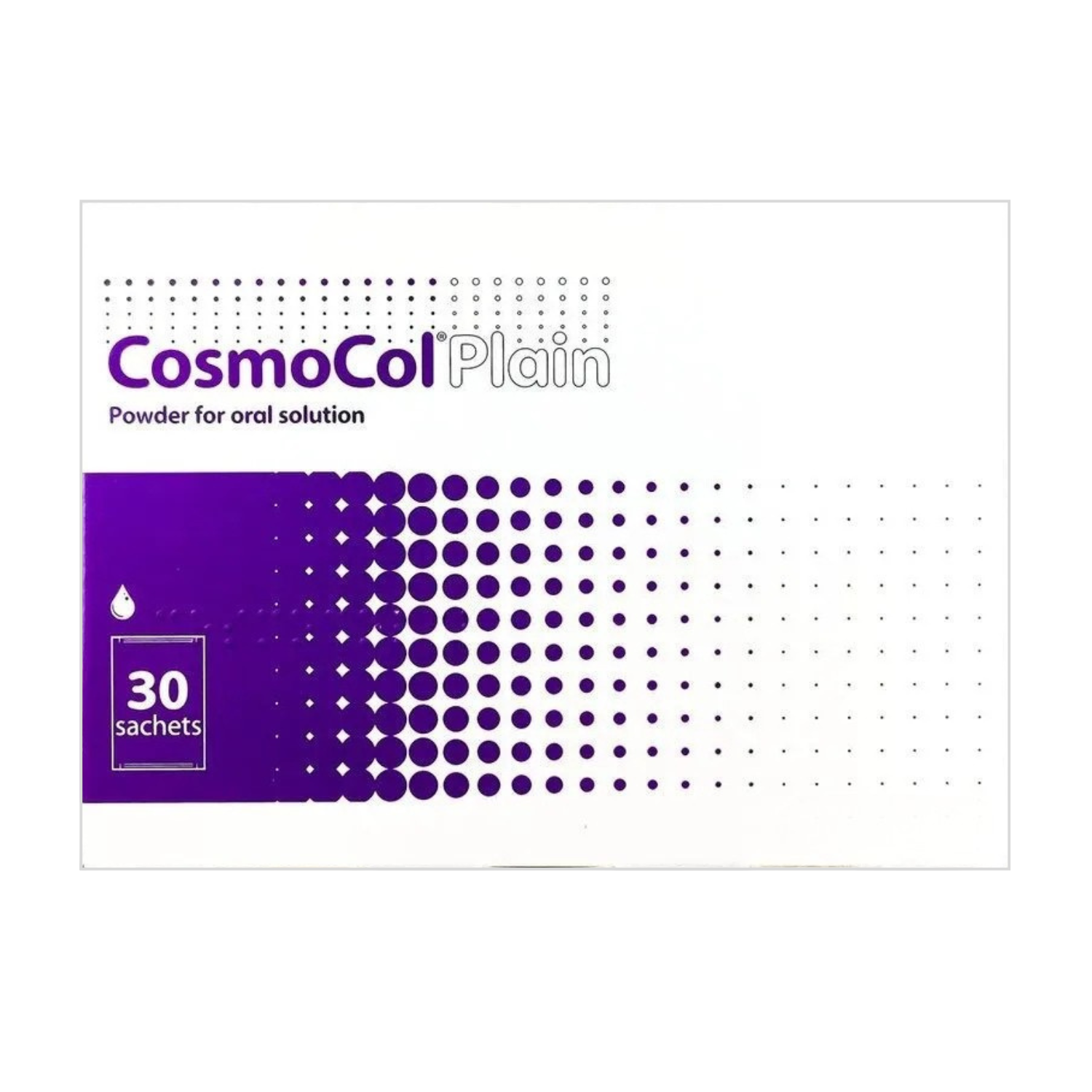
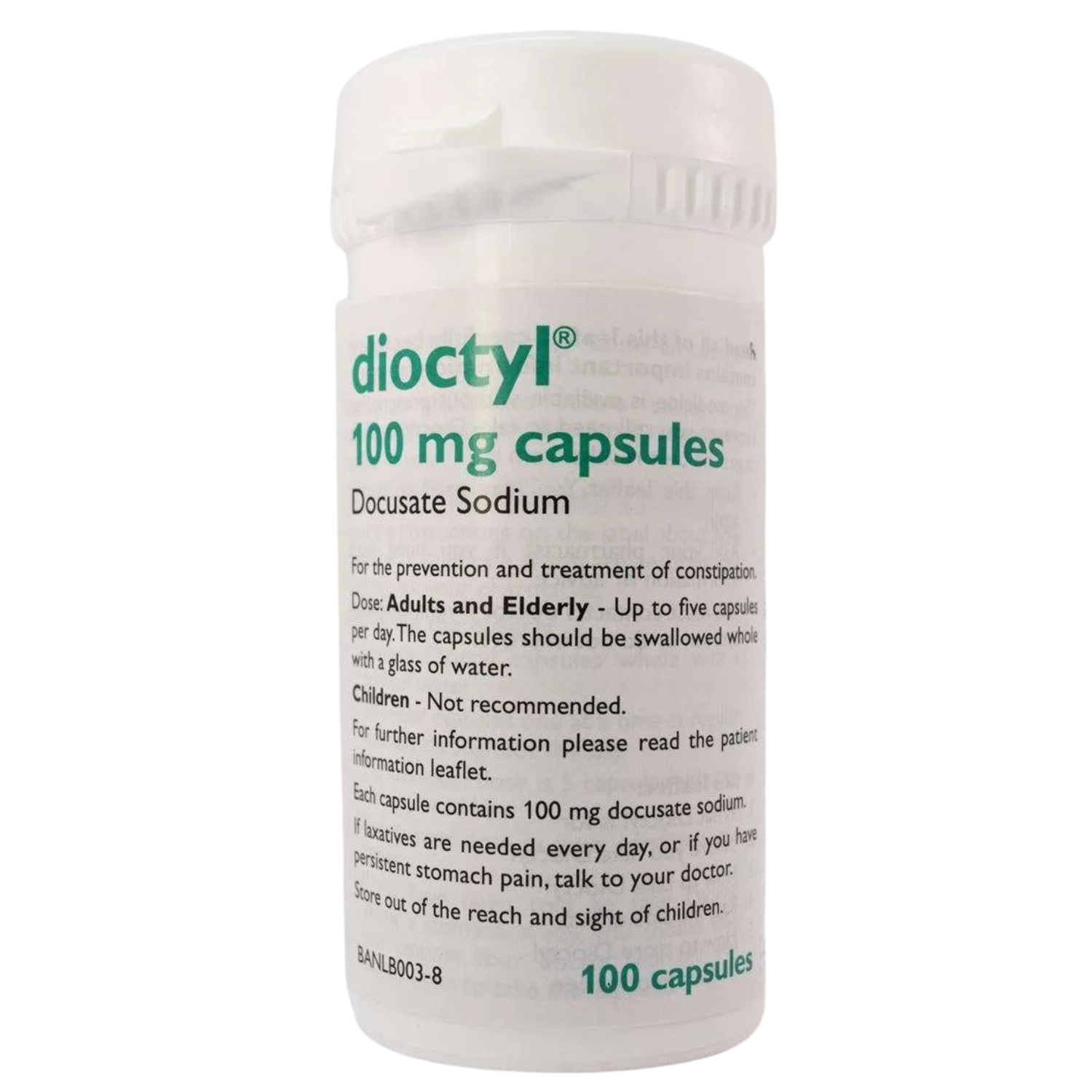
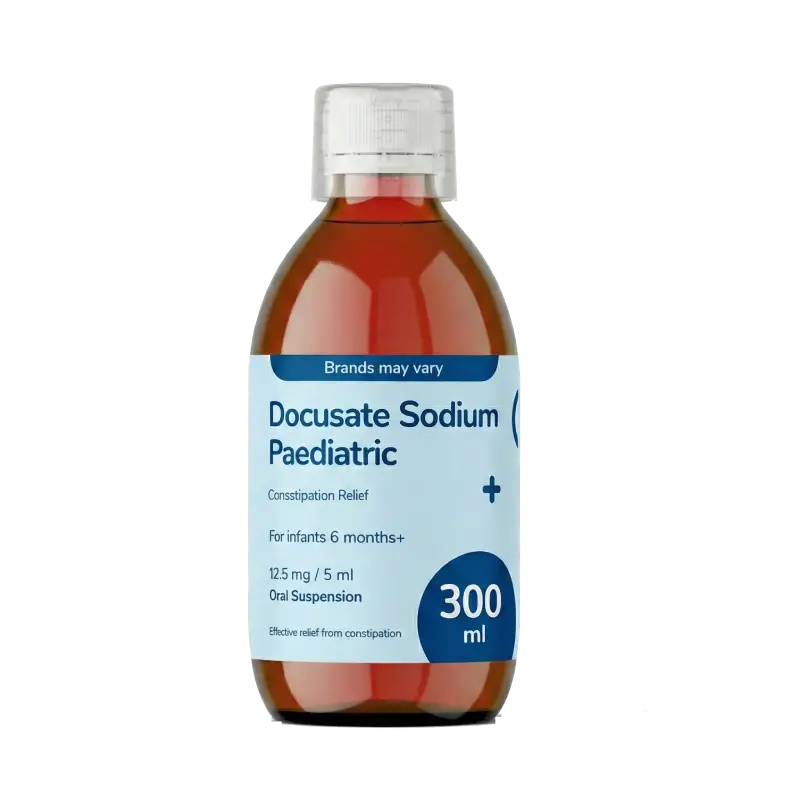
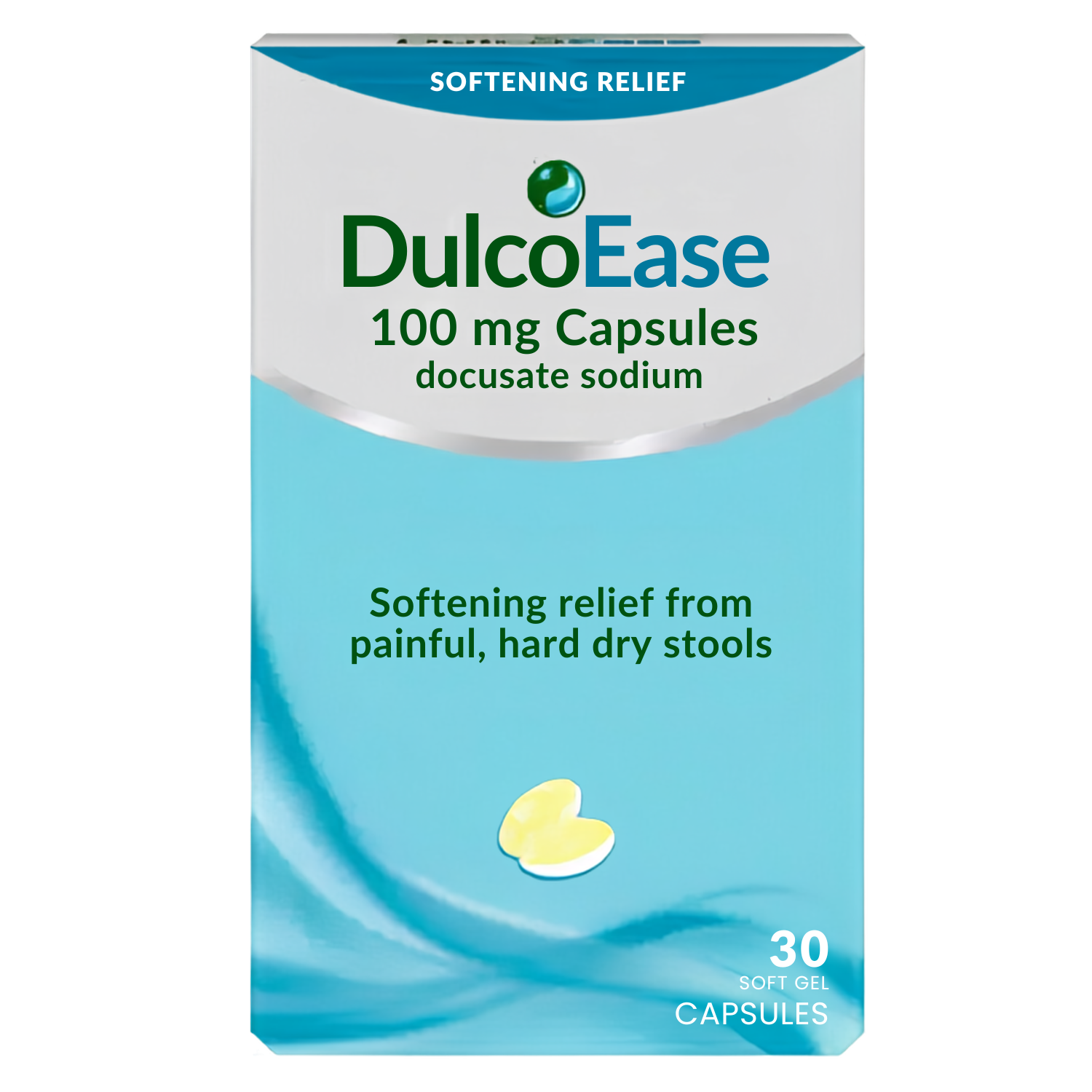
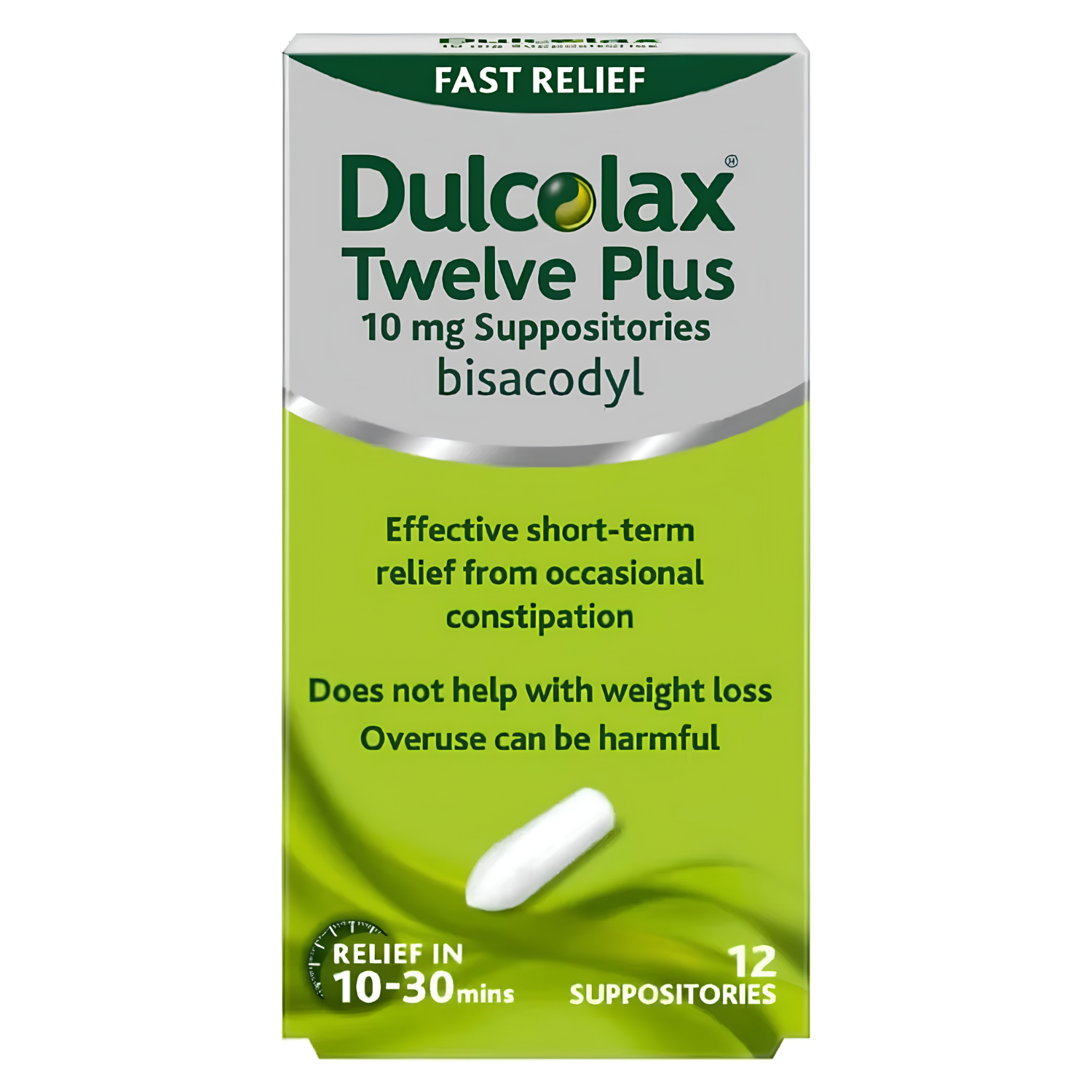
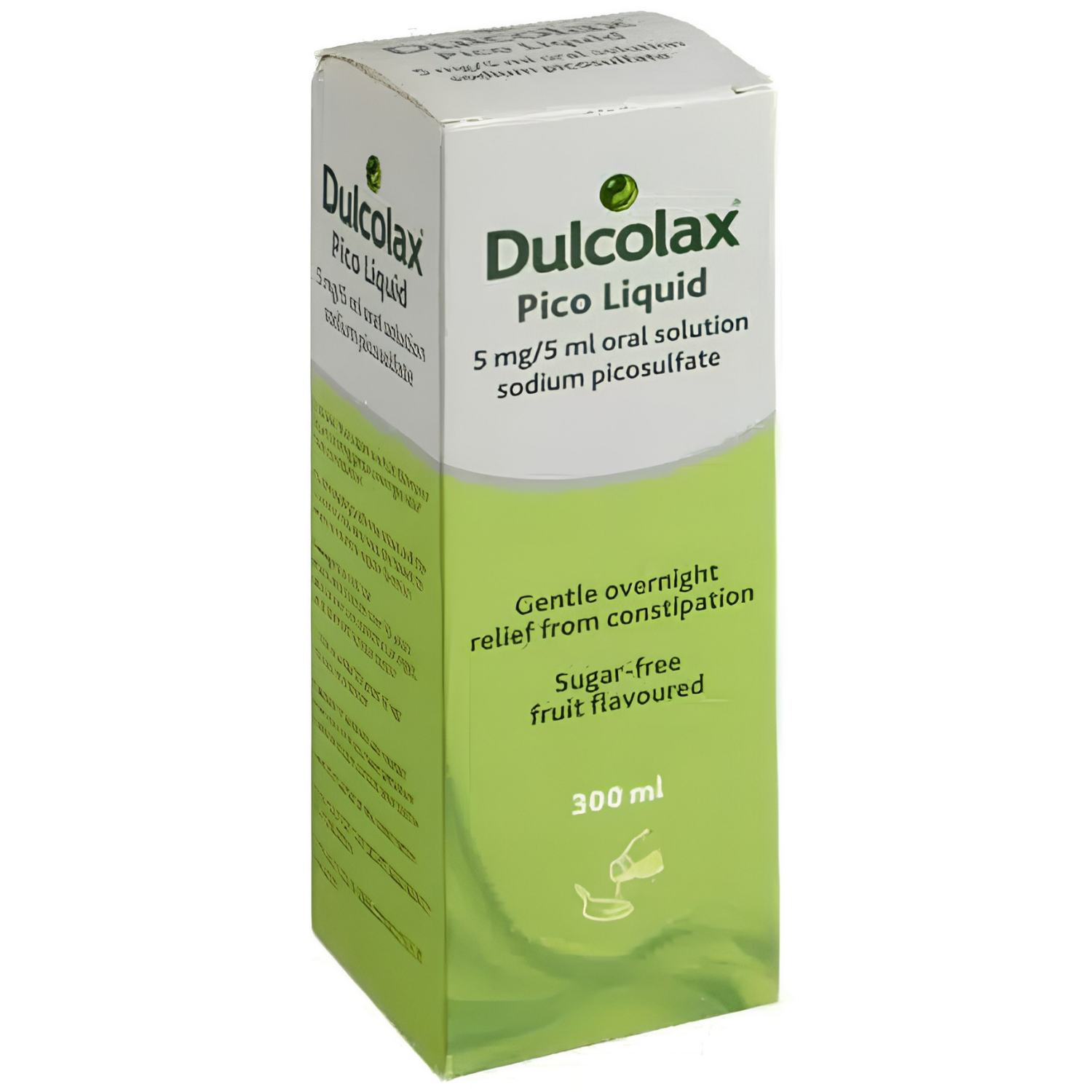
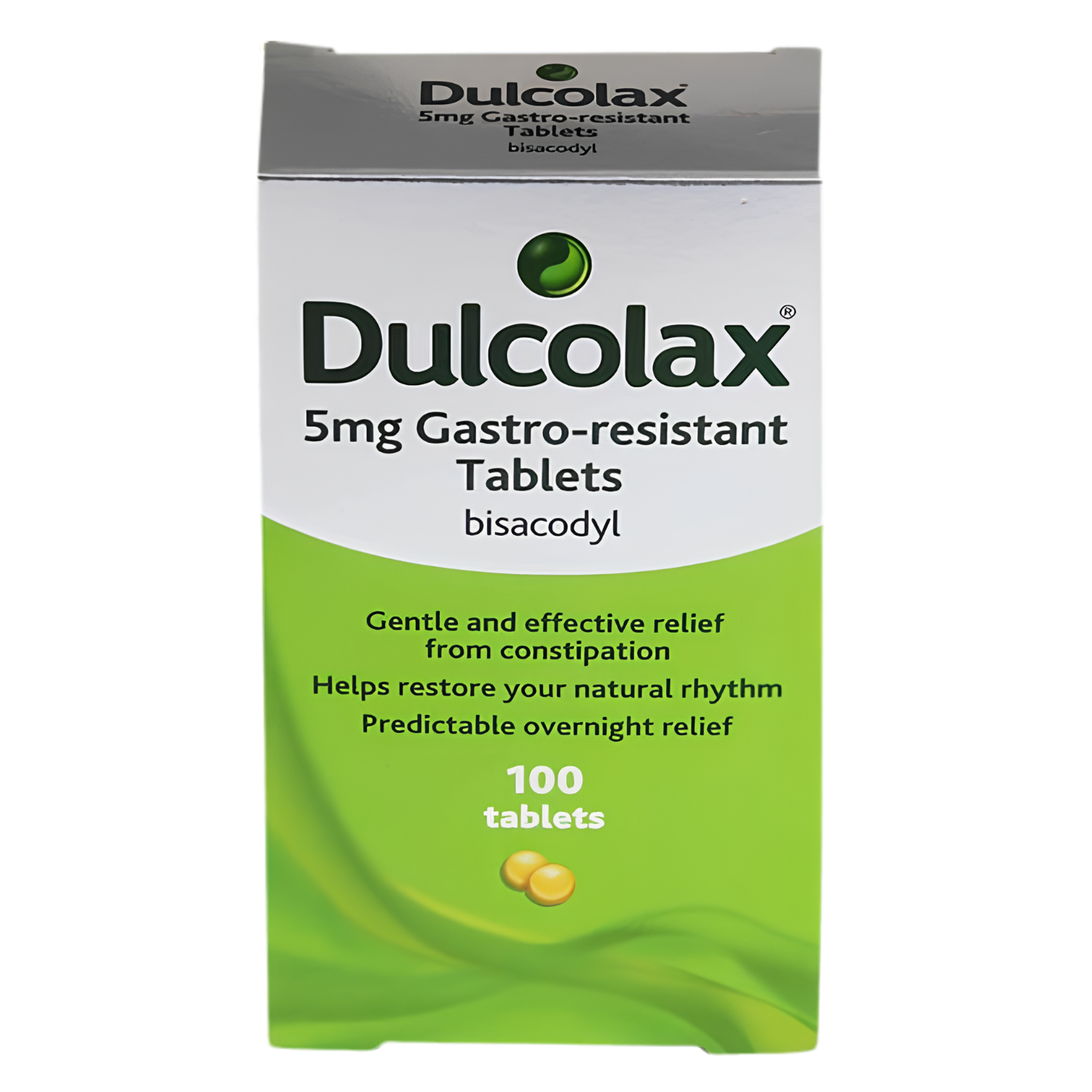
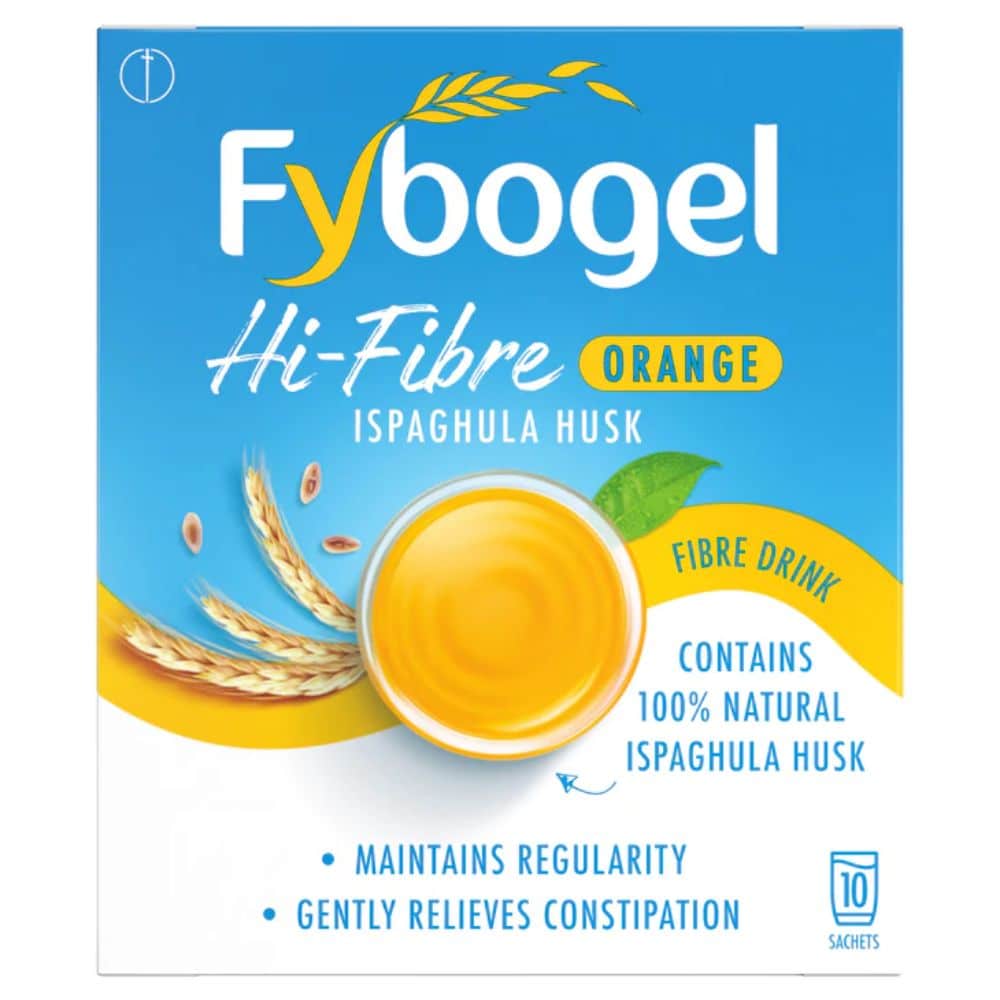
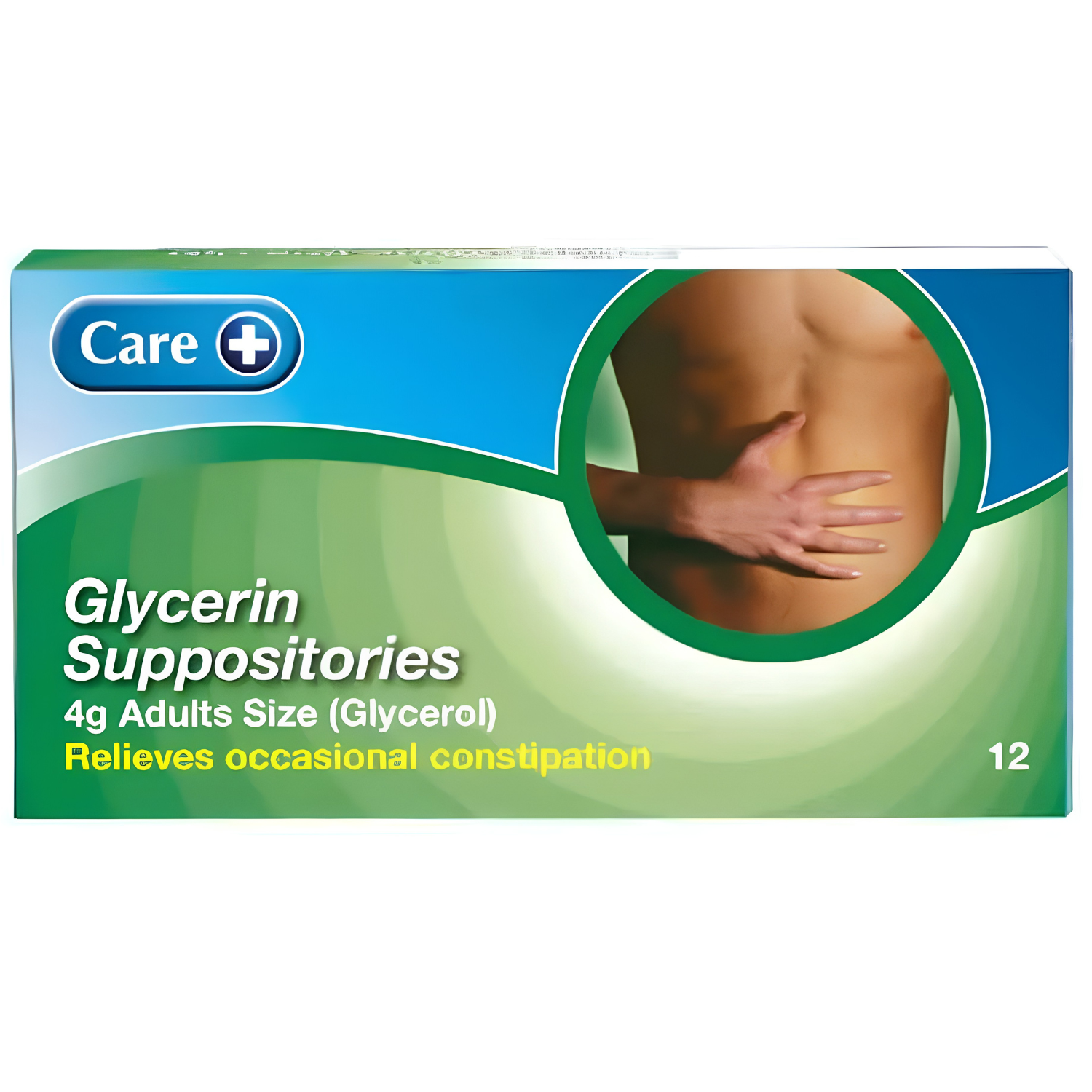
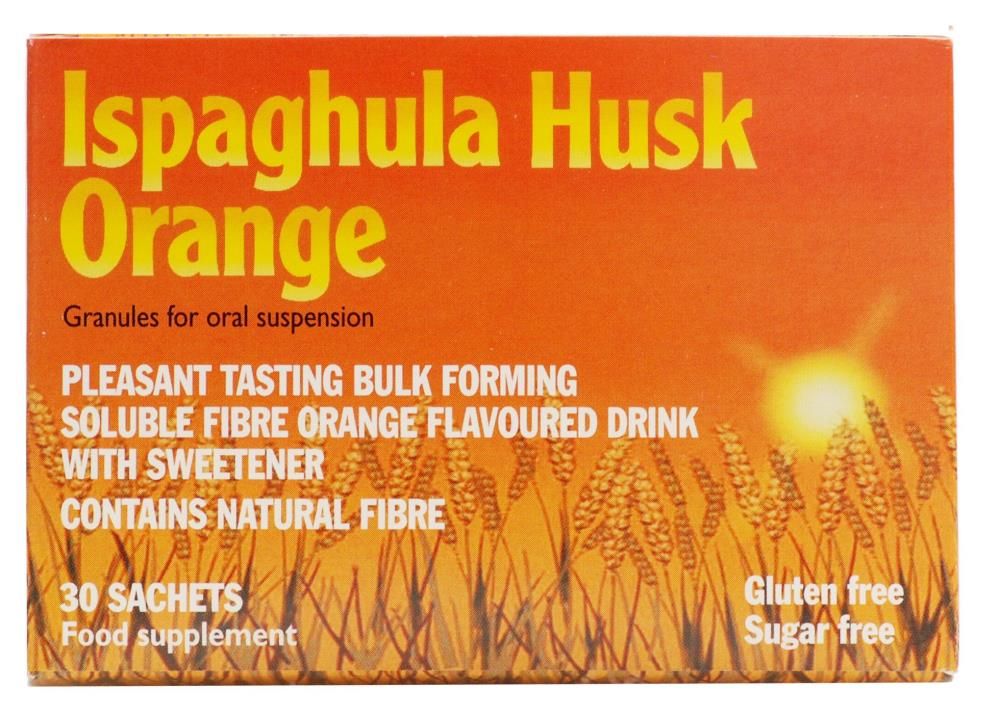
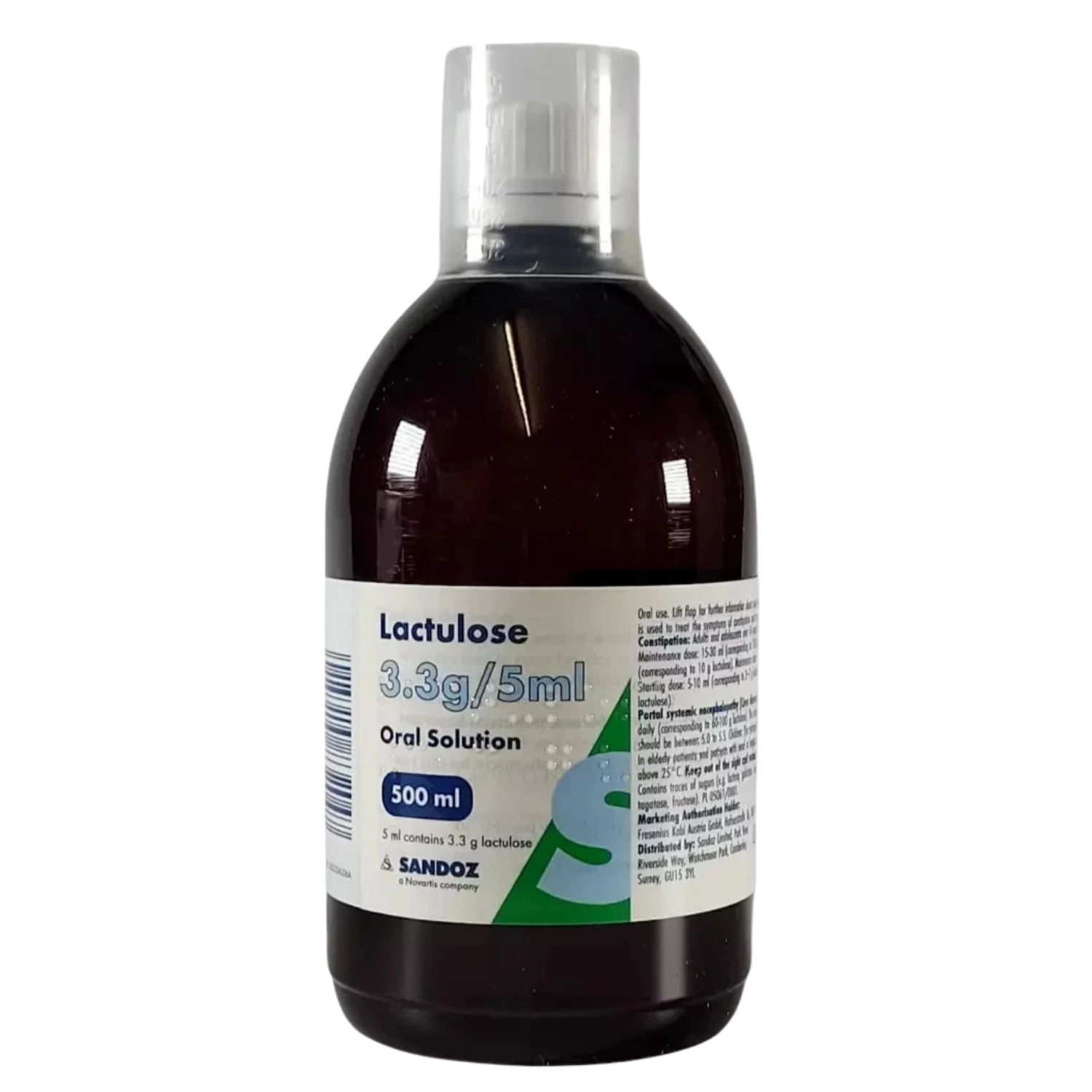
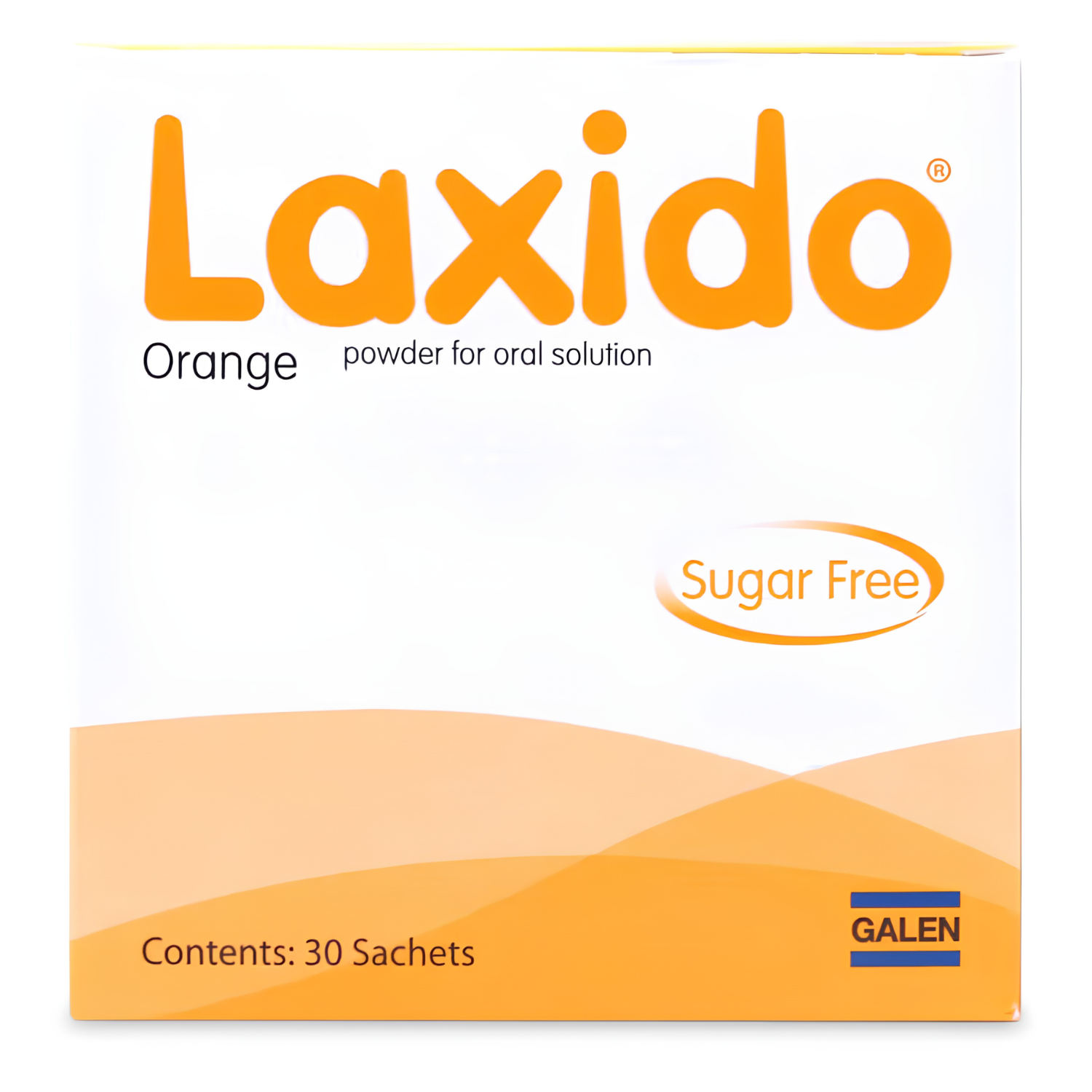
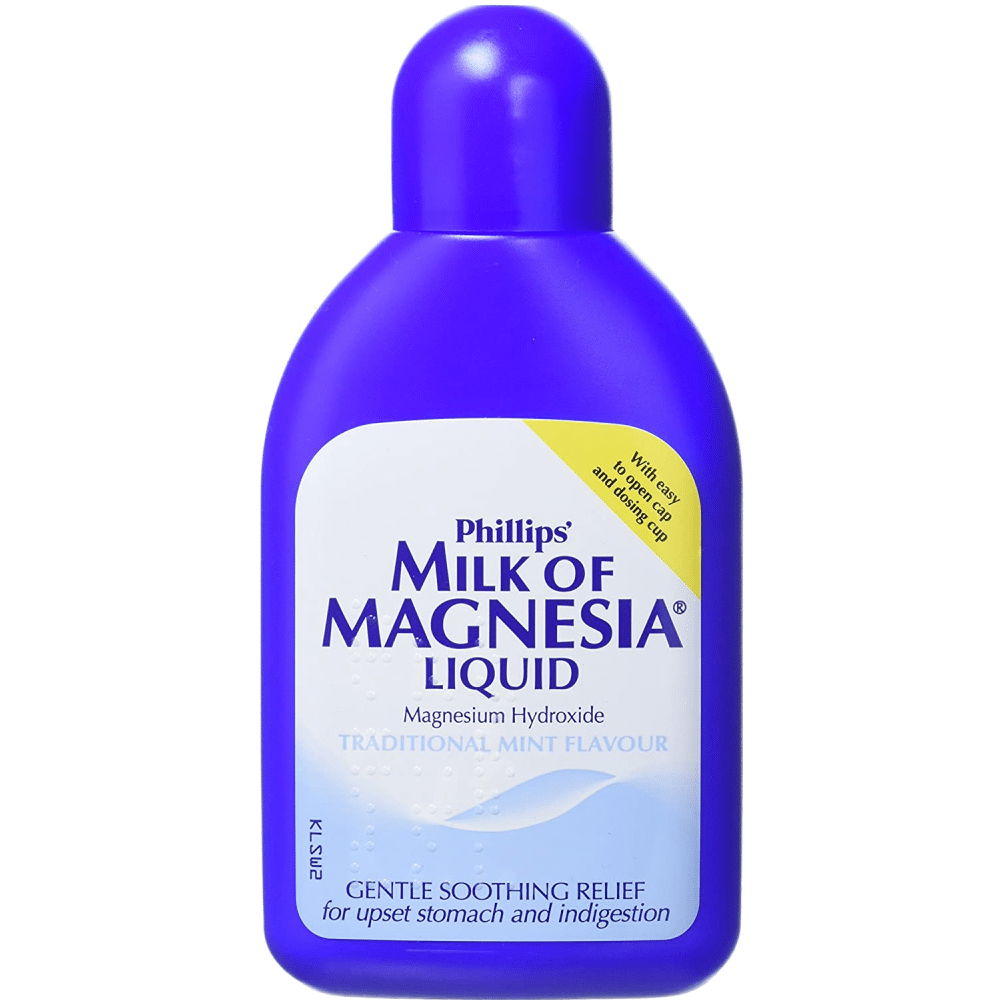
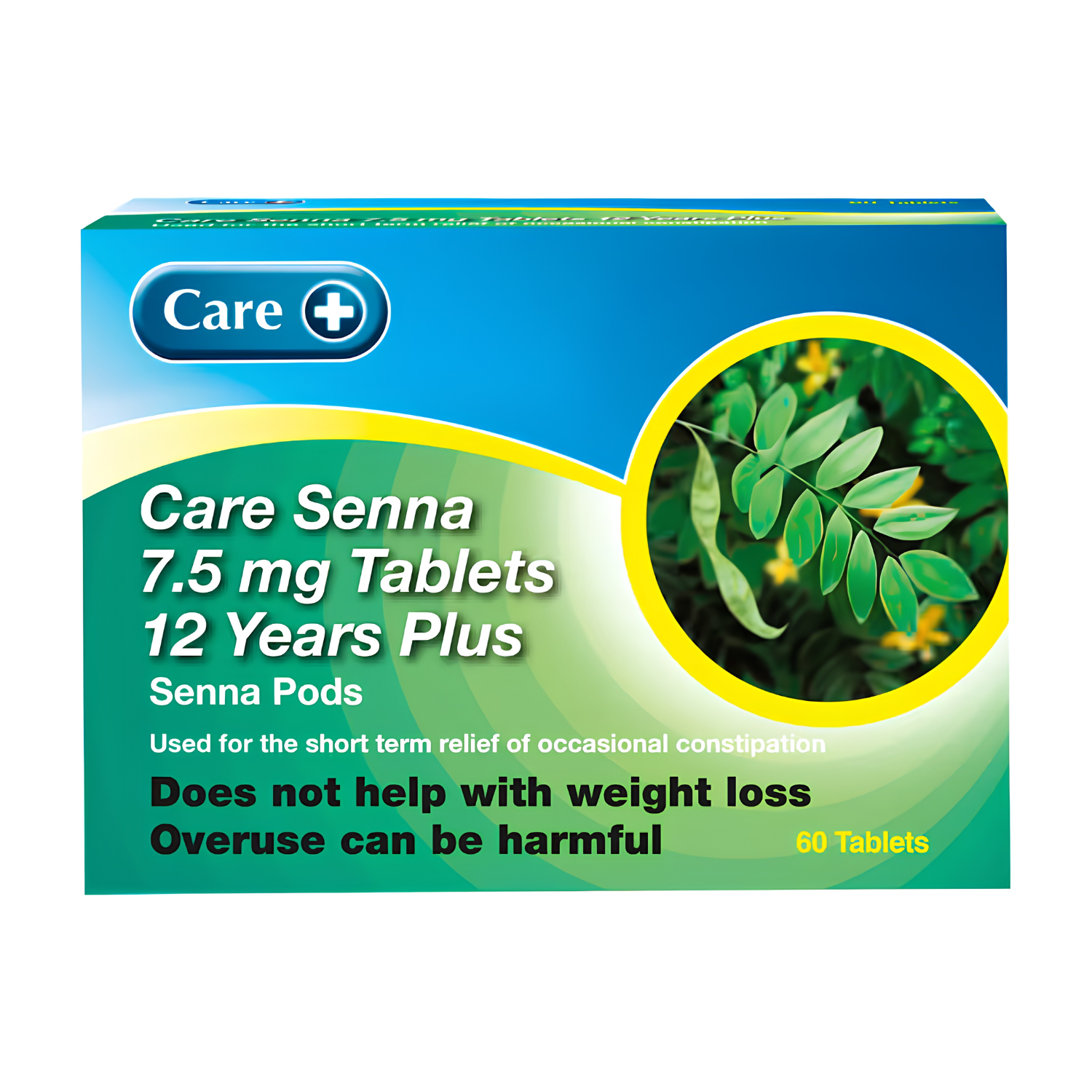
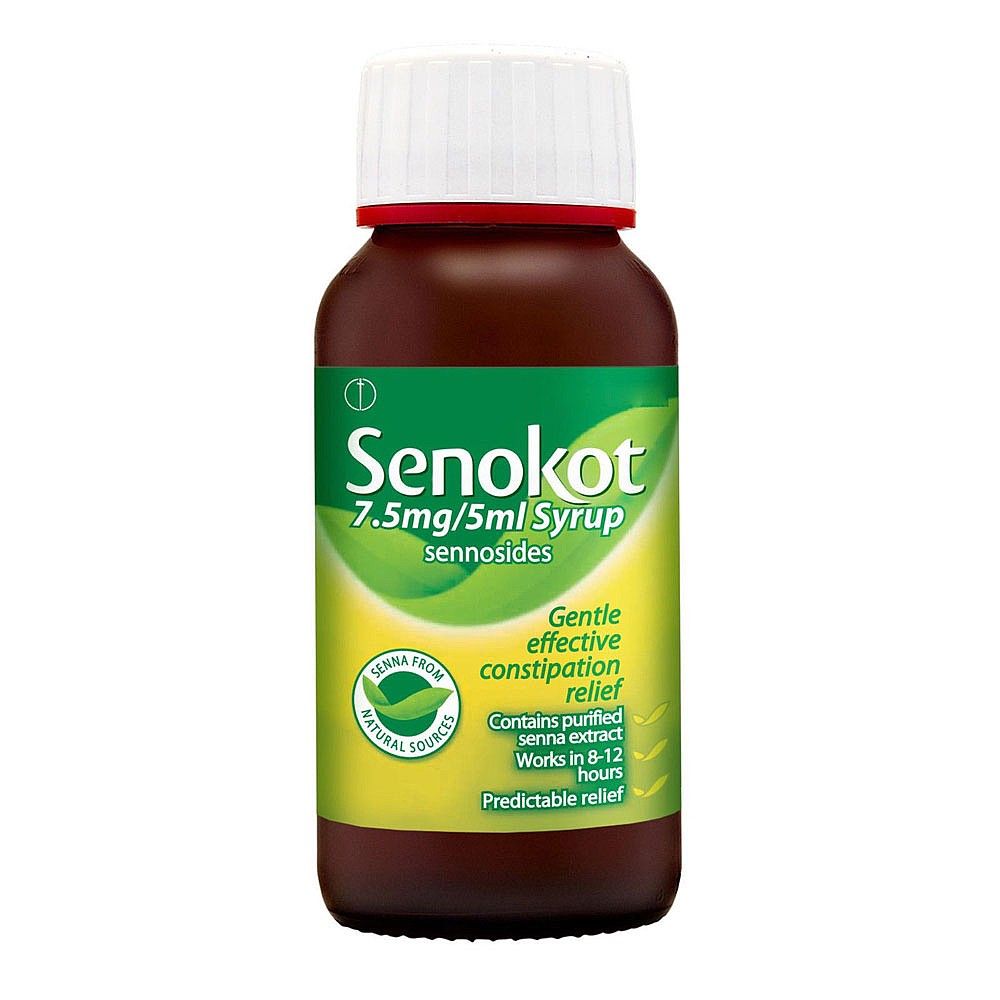
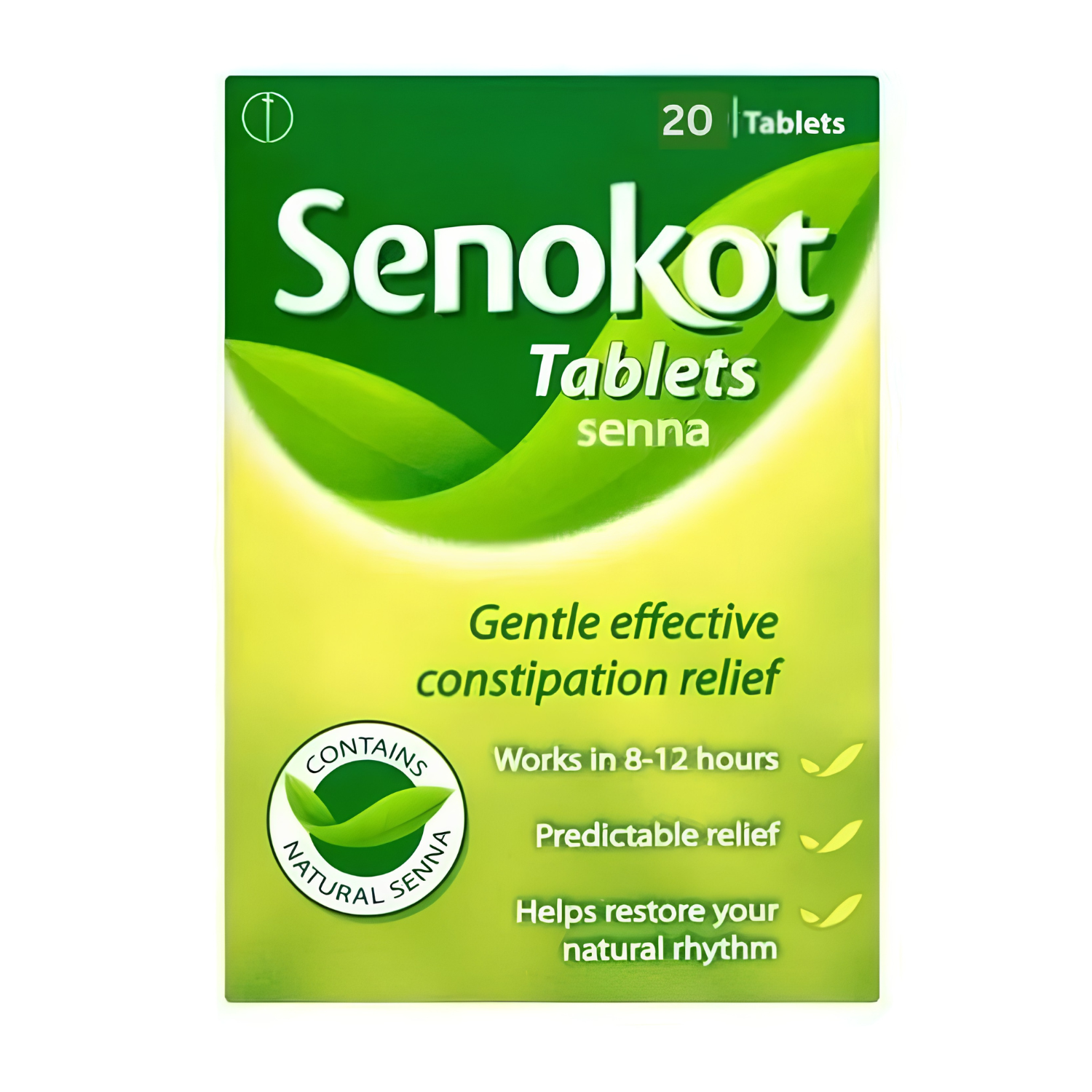
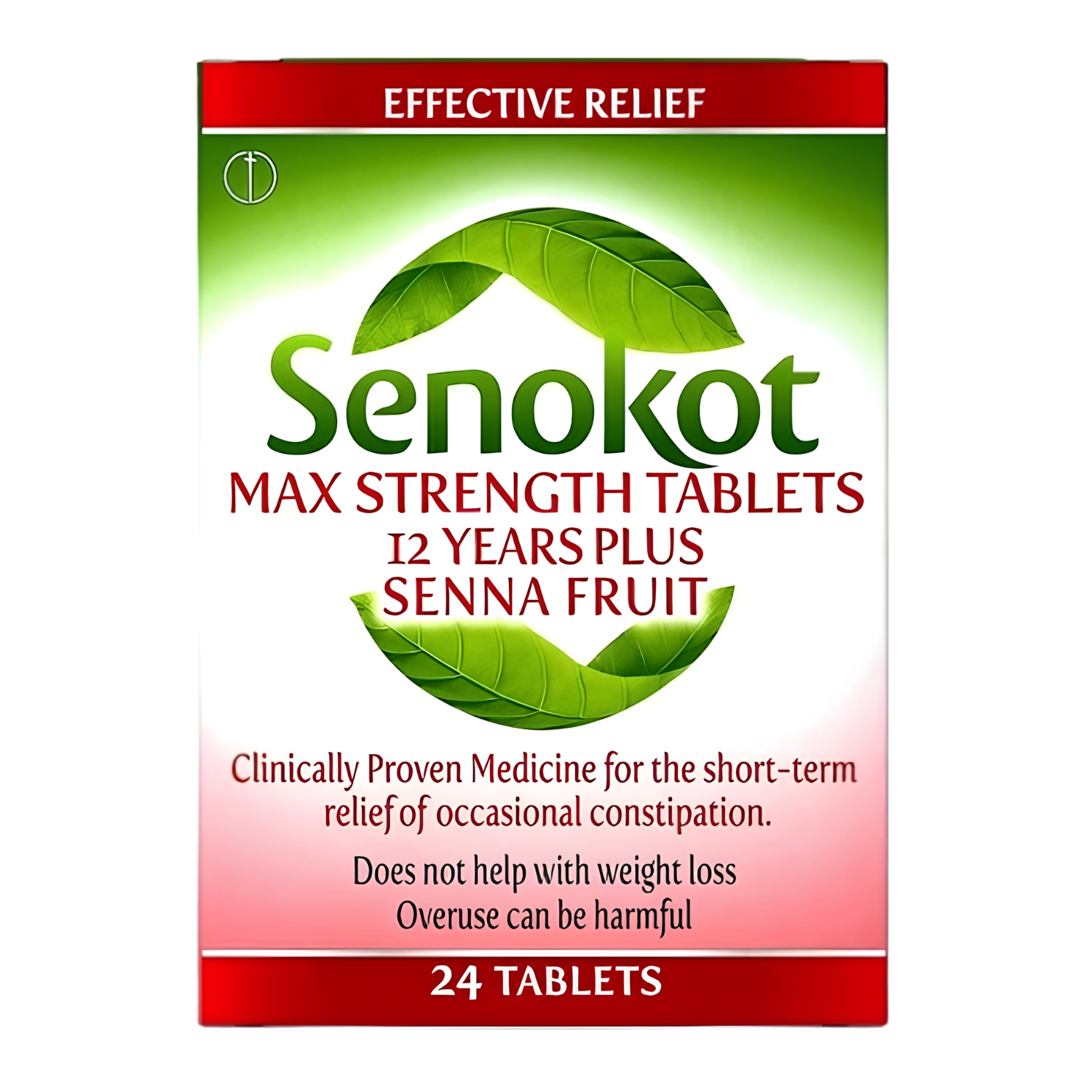
When lifestyle changes aren’t enough, different types of laxatives can offer relief. Bulk-forming laxatives like Fybogel add fibre to soften and bulk out stools, osmotic laxatives such as Laxido draw water into the bowel, and stimulant laxatives like Senna and Dulcolax encourage the bowel muscles to move things along. Stool softeners such as Docusate add moisture to make stools easier to pass. You can buy these from our online constipation clinic.
Prescription Constipation Treatments
For chronic constipation where symptoms are ongoing or haven’t responded to over-the-counter laxatives, stronger prescription options may help. Medicines like lubiprostone and linaclotide work by increasing fluid in your digestive tract to soften stools and speed up movement, while prucalopride helps stimulate the bowel to contract.
Our pharmacists can review your symptoms during an online consultation and advise whether a prescription treatment is right for you.
When to Seek Medical Advice
Most constipation clears up with diet changes or a short course of laxatives, but sometimes it needs proper medical attention. Speak to your pharmacist or GP if constipation lasts more than a couple of weeks, keeps coming back, or doesn’t improve with treatment. Seek urgent advice if you notice blood in your stools, unexplained weight loss, severe or ongoing tummy pain, or if you’re constipated and being sick, as these can signal a more serious problem.